Is My Crypto Safe on Coinbase?
Coinbase employs robust security measures, storing 90% of funds offline and using 2FA verification. But nothing’s foolproof. Phishing attacks, data breaches, and centralization risks exist. Users report unauthorized access and frustrating customer service experiences. The platform follows regulatory requirements, though ongoing SEC disputes create uncertainty. Technical outages during market volatility? Yeah, those happen too. Even with insurance coverage for hot wallets, the crypto world demands personal vigilance against evolving threats.
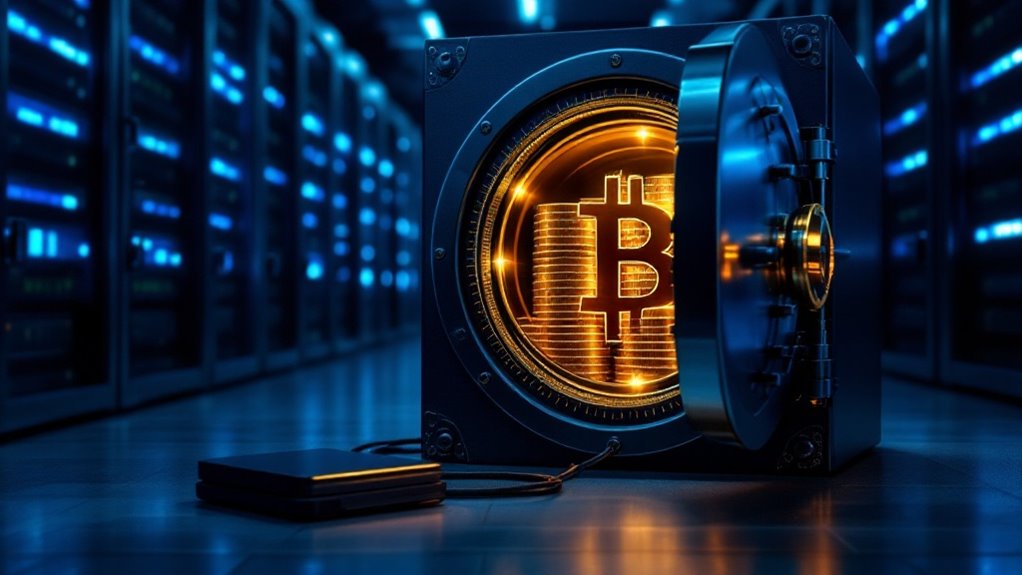
When investors dump their life savings into digital currencies, they’re placing enormous trust in crypto exchanges like Coinbase. The company isn’t messing around with security—they keep over 90% of customer funds in cold storage, offline and away from hackers’ greedy fingers. Smart move.
Coinbase throws the kitchen sink at security measures. Two-factor authentication? Check. Biometric verification? You bet. Physical security keys? They’ve got those too. They even run your identity through the wringer with KYC checks and sanctions screenings. All the regulatory boxes ticked.
Coinbase doesn’t mess around—they’ve weaponized every security trick in the book while keeping regulators happy.
But let’s not kid ourselves. Risks still lurk everywhere. Phishing attacks target the unwary, data breaches happen to the best companies, and third-party vendors could be the weak link in the chain. Plus, Coinbase holds your private keys. That’s a lot of eggs in one corporate basket.
Users complain, too. Some report unauthorized access despite security measures. Others rage about technical outages during market chaos—exactly when you’d want to sell. Their platform offers access to over 240 cryptocurrencies for trading, an impressive selection that keeps most investors satisfied. And good luck getting a human when customer support fails you. Classic.
The compliance situation? Complicated. Coinbase follows KYC/AML rules and offers insurance against theft, but they’re tangled in legal battles with the SEC. The company also provides insurance coverage for cryptocurrencies stored in their hot wallets, offering some peace of mind for users. Regulatory uncertainty hangs like a dark cloud.
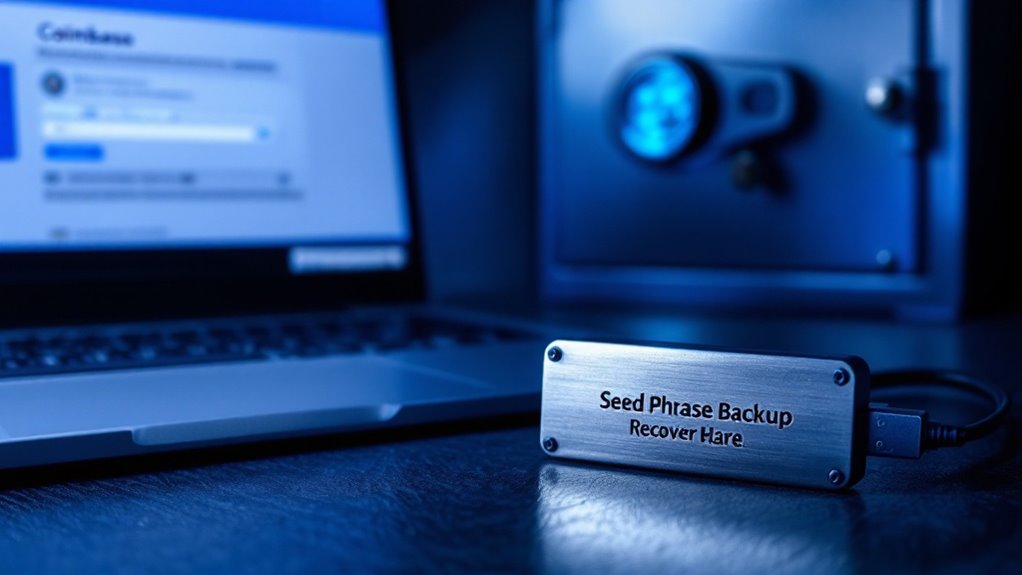
Users need to step up their own game. Backing up recovery phrases offline is non-negotiable. Public Wi-Fi? A hacker’s playground—avoid it. And for Pete’s sake, update your devices regularly.
The bitter truth? No platform is bulletproof. Coinbase employs serious security, but they’re a target precisely because they’re big. They’re probably safer than keeping crypto on some random exchange, but nothing’s guaranteed in this Wild West.
Bottom line: Coinbase takes security seriously. But in crypto, “trust” is always relative, and even the biggest players aren’t immune to problems. Welcome to digital money—convenience comes with compromise.
Frequently Asked Questions
What Insurance Coverage Does Coinbase Offer for My Crypto Assets?
Coinbase offers $255 million hot wallet insurance through Lloyd’s of London, covering hacking, insider theft, and fraudulent transfers.
They’ve got Crime policies for cyberattacks and Specie policies for physical/cold storage theft.
Institutional clients enjoy protection for their $101 billion in assets.
But heads up—51% attacks, phishing, and user errors? Not covered.
And if losses exceed insurance limits, you’re out of luck.
No FDIC protection for crypto either, just USD balances.
Can I Recover My Account if I Lose My 2FA Device?
Yes. Coinbase users can recover accounts after losing 2FA devices.
The process is multi-layered, requiring identity verification that takes anywhere from minutes to a full day.
Options exist: update phone numbers, reconfigure authenticator apps, answer security questions, or get trusted contacts to vouch for you.
After verification, Coinbase issues a temporary PIN.
Smart move? Use the same device for recovery and setup.
Funds freeze for 24 hours post-recovery—standard security protocol.
Does Coinbase Share My Transaction Data With Government Agencies?
Yes, Coinbase does share user data with government agencies.
They’ve handed over information on 13,000 users to the IRS after a court order. The company also licenses their Coinbase Tracer tool to ICE for tracking crypto transactions.
Unlike competitor Kraken, they don’t publish transparency reports about government data requests. Courts have ruled exchanges can surrender financial data without warrants.
That’s the reality of regulated exchanges. Not exactly the crypto dream, huh?
How Quickly Can I Withdraw Funds During Market Volatility?
Market volatility can slow withdrawals. Period.
During high-demand times, Coinbase processes face delays—blame blockchain congestion. Instant cashouts still aim for 30 minutes to 24 hours, but no guarantees when everyone’s panic-selling.
Standard withdrawals? Forget about estimated completion dates. They’re optimistic at best.
Crypto transfers to external wallets suffer most, with network traffic causing significant backups. Ironically, the moment you desperately want your money is exactly when it’s hardest to get.
What Happens to My Crypto if Coinbase Goes Bankrupt?
If Coinbase goes bankrupt, customers might be classified as unsecured creditors – dead last in line for payouts.
Reality check: their crypto could become part of the bankruptcy estate despite Coinbase’s claims about UCC Article 8 protections.
The Voyager collapse showed how this plays out. Not pretty.
Users might wait months or years for partial recovery. Those fancy institutional accounts? Different story with stronger protections.
Retail customers? Yeah, not so much.
When storing cryptocurrency on the platform, understanding how Coinbase digital asset security measures work can help you make informed decisions about your investments.
As crypto monetary systems continue to evolve, users increasingly rely on established exchanges like Coinbase to secure their digital assets.
As crypto monetary systems continue to evolve, investors increasingly rely on established exchanges like Coinbase to secure their digital assets.