Two-Factor Authentication: Why It Matters in Crypto
Two-factor authentication isn’t optional in crypto—it’s survival gear. With no customer service to recover stolen funds, 2FA adds essential protection beyond passwords. Whether using SMS codes, authentication apps, or hardware keys, the extra security layer blocks hackers even if passwords leak. Crypto’s decentralized nature means you’re responsible for your own security. Exchanges get hacked. Phishing scams work. Transactions can’t be reversed. The difference between keeping your crypto and losing everything? Often just a simple security setting.
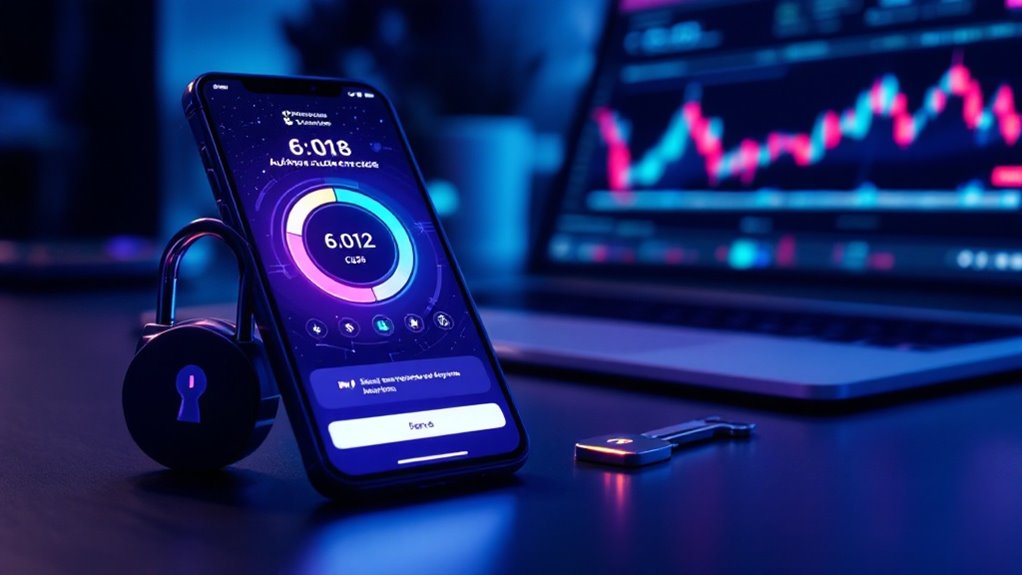
In the world of cryptocurrency, security isn’t just important—it’s everything. When your funds vanish, they’re gone. Forever. No customer service line to call, no manager to complain to. Just an empty wallet and regrets. This is why two-factor authentication (2FA) has become non-negotiable for serious crypto users.
2FA adds a vital second layer of security beyond the basic password. It combines something you know (password) with something you have (mobile device or security token). Simple concept, massive security upgrade. Even if someone steals your password—which happens embarrassingly often—they still can’t access your funds without that second factor. Additionally, the use of 2FA significantly enhances account security, making it more difficult for hackers to gain unauthorized access.
The options for 2FA are plentiful. SMS verification sends codes to your phone. Convenient? Yes. Bulletproof? Not exactly. SIM swapping attacks have made SMS the least secure option. Authentication apps like Google Authenticator and Authy generate time-based codes that expire quickly. Hardware security keys provide even stronger protection, though they cost money and can be lost. Biometrics add another dimension, using your unique physical characteristics as verification. The Crypto.com hack in January 2022 clearly demonstrated why central authority is absent in cryptocurrency, making personal security measures essential.
Setting up 2FA isn’t complicated. Most platforms walk you through scanning a QR code with an authentication app. The whole process takes minutes. The trick is not losing your backup codes—write them down somewhere secure. Not on a sticky note on your monitor, genius.
The crypto world is especially vulnerable to security breaches. Transactions can’t be reversed. Exchanges get hacked. Phishing attempts are sophisticated. Adding 2FA dramatically reduces these risks. For maximum protection, many experts recommend using multi-factor authentication that incorporates three or more verification methods. It’s your financial fortress in a digital Wild West.
There are limitations, of course. Nothing’s perfect. Phishing can still trick users into revealing both factors. Authentication apps can be compromised by malware. And heaven help you if you lose access to your authentication device without backup codes.
But the math is simple: using 2FA in crypto is like wearing a seatbelt in a demolition derby. You’d be crazy not to.
Frequently Asked Questions
Can 2FA Prevent All Types of Crypto Theft?
Two-factor authentication can’t prevent all crypto theft. Period.
While it adds a vital security layer, hackers have found workarounds. Phishing scams trick users into revealing 2FA codes. SIM swapping intercepts SMS verification. Malware steals codes directly from devices. Recovery processes get exploited. Even physical hardware tokens can be stolen.
2FA helps, sure. But complete protection? Dream on.
Smart thieves adapt. That’s why serious crypto holders use multiple security measures together. Nothing’s bulletproof in this digital Wild West.
How Do I Recover 2FA if I Lose My Device?
Losing a device with 2FA can be a nightmare. Recovery depends on your setup.
Got a backup phone? Use SMS recovery. Smart enough to save backup codes? Use those. Cloud backups might save your bacon too.
No prep work done? You’re facing recovery forms—good luck with that bureaucratic mess. Some services let you deauthorize devices remotely.
Bottom line: SMS is easier but less secure. Authenticator apps? Better security but tougher recovery.
Plan ahead or pay the price.
Does 2FA Slow Down Trading During Market Volatility?
Yes, 2FA definitely slows down trading during volatile markets. That extra verification step takes precious seconds—sometimes costing traders money.
Markets don’t wait for security codes. Pretty inconvenient when prices are swinging wildly.
Many serious traders avoid trading 2FA for this reason. They prioritize speed.
Some platforms even acknowledge this trade-off, suggesting alternative security measures for frequent traders.
The delay is real.
Security vs. speed. It’s the classic crypto dilemma.
Are Hardware Keys Better Than Authentication Apps for Crypto?
Hardware keys are objectively superior to authentication apps for crypto security.
They’re nearly phishing-proof and can’t be remotely hacked – an attacker needs physical possession. Period.
Apps are convenient but vulnerable if your phone gets compromised. Sure, hardware keys cost money and you’ve got another thing to carry around.
But when your life savings are at stake? The extra security is worth it. Not even close, really.
Can Hackers Bypass 2FA on Cryptocurrency Exchanges?
Yes, hackers absolutely can bypass 2FA on crypto exchanges. The evidence is clear. Phishing attacks trick users into revealing their codes.
SMS-based 2FA? Notoriously vulnerable. Remember Crypto.com’s breach? Hackers drained millions from 483 accounts after bypassing 2FA. Coinbase users have been hit too.
Social engineering works wonders for criminals. Even infrastructure weaknesses can be exploited. No system is foolproof.
Authentication apps beat SMS, but hardware keys offer the strongest protection. Welcome to crypto – trust no one.
Two-factor authentication serves as a critical layer of protection that significantly enhances digital asset security for cryptocurrency investors and traders.
As crypto monetary systems continue to evolve and gain mainstream adoption, securing your digital assets becomes increasingly critical for investors.
The decentralized nature of crypto monetary systems makes two-factor authentication essential for protecting digital assets from unauthorized access.