Boris Johnson Slams Bitcoin as Scam, Compares to Gold
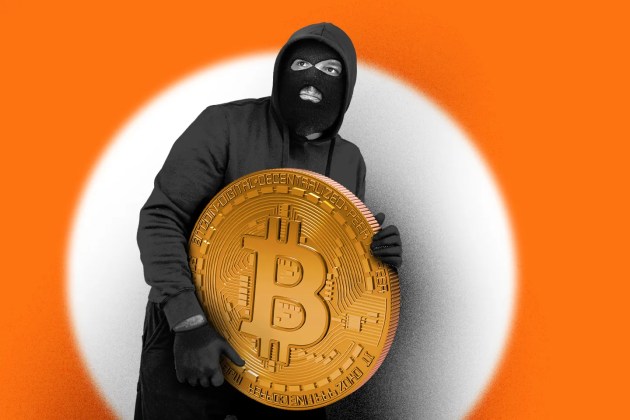
Former UK Prime Minister Boris Johnson has sparked considerable debate by publicly lambasting Bitcoin, characterizing the leading cryptocurrency as a “scam” and a “Ponzi scheme.” His controversial remarks highlight a persistent skepticism among some prominent figures regarding the legitimacy and long-term viability of digital assets. Johnson expressed bewilderment at Bitcoin’s investment appeal, stating he could comprehend the allure of traditional assets like gold or even niche collectibles such as Pokémon cards, but not the decentralized digital currency.
Bitcoin, often defined as a decentralized digital currency operating on a peer-to-peer network, was created to function without central bank or single administrator oversight. Proponents frequently highlight its benefits, including its finite supply (capped at 21 million coins), potential as a hedge against inflation, and its role in fostering financial inclusion, particularly in regions with unstable economies. Its innovative blockchain technology offers transparency and immutability, attracting a diverse range of investors seeking alternatives to conventional financial systems, with examples of early adopters seeing astronomical returns.
However, Johnson’s strong condemnation underscores the significant risks associated with Bitcoin and the broader cryptocurrency market. These risks include extreme price volatility, making it a highly speculative asset. Regulatory uncertainty across different jurisdictions poses challenges for its widespread adoption and stability. Furthermore, concerns about its environmental impact due to energy-intensive mining, potential use in illicit activities, and susceptibility to market manipulation are frequently cited by critics. The lack of intrinsic value, unlike commodities like gold, is a fundamental point of contention, leading figures like Johnson to question its foundational worth and label it a speculative bubble prone to collapse, akin to a Ponzi scheme where early investors profit from later ones.
Johnson’s direct comparison to tangible assets like gold, valued for millennia, and even collectible items with a clear physical presence and cultural significance, serves to frame his argument against Bitcoin’s intangible nature and perceived lack of underlying utility. His comments contribute to an ongoing global discussion about the future of digital currencies, their integration into mainstream finance, and the critical need for investor education and robust regulatory frameworks to mitigate the inherent risks while harnessing potential innovations.
Johnson’s criticism highlights ongoing debates about whether the bitcoin digital asset represents legitimate investment value or speculative bubble risk.
Johnson’s criticism highlights ongoing debates about whether bitcoin monetary systems can provide the stability and reliability that traditional currencies offer.
Johnson’s criticism highlights ongoing debates about whether the bitcoin digital asset represents legitimate investment or speculative gambling.
Johnson’s criticism highlights ongoing debates about whether bitcoin monetary systems can provide the same stability and trust as traditional precious metal standards.
Johnson’s controversial remarks have reignited debate about whether the bitcoin digital asset represents legitimate investment opportunities or speculative bubble risks.
Johnson’s criticism highlights ongoing debates about whether bitcoin monetary systems can provide the same stability and trust as traditional gold-backed currencies.