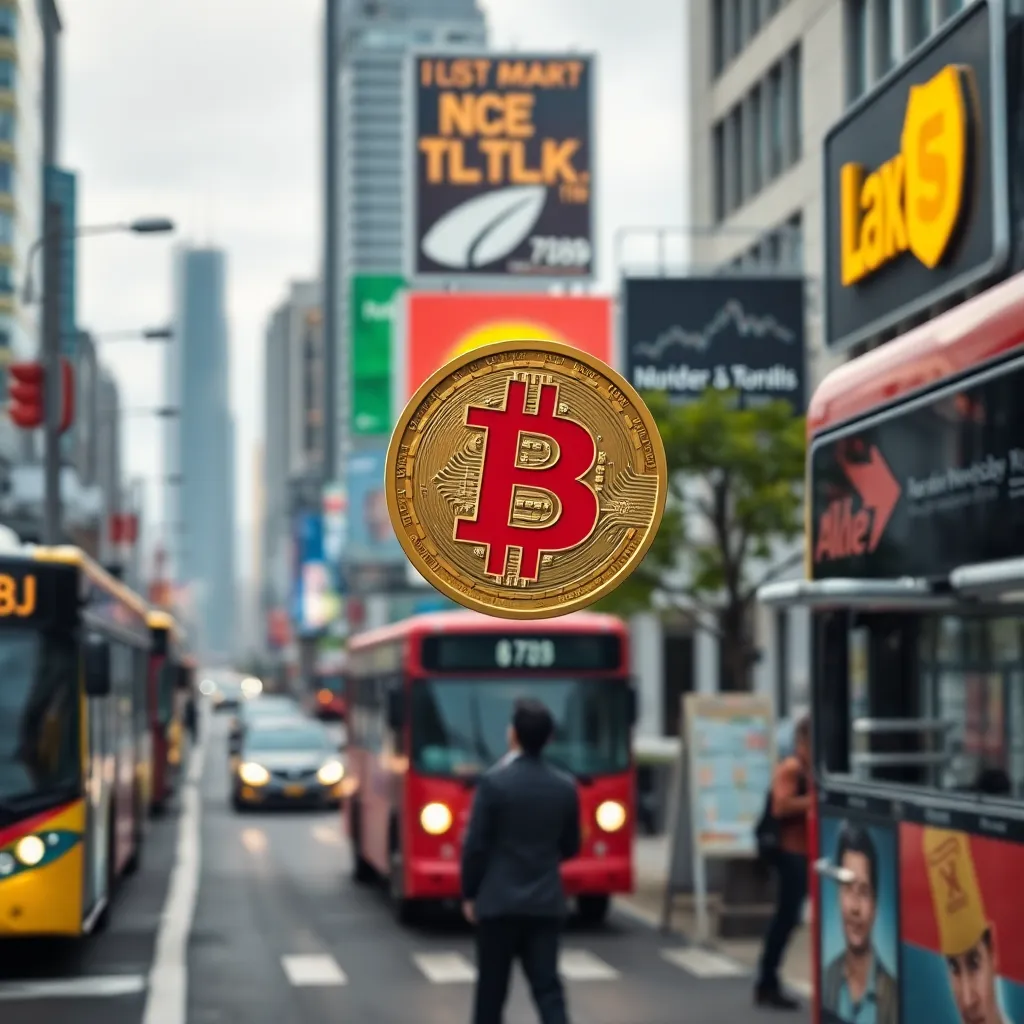
Crypto Market’s Resilience Tested Amid Global Uncertainty
Despite seemingly positive economic signals like recent interest rate cuts and promising developments in US-China trade negotiations, the cryptocurrency market continues to experience a significant downturn. This persistent depression is primarily attributed to a pervasive climate of macroeconomic and geopolitical uncertainty, which overshadows any potential benefits from favorable news. The core issue lies in how global financial instability and political tensions impact investor sentiment and capital allocation within the inherently volatile crypto space.
Macroeconomic uncertainty, defined by factors such as persistent inflation concerns, fears of an impending global recession, and unpredictable central bank policies, causes investors to retreat from riskier assets like cryptocurrencies. Instead, capital often flows into traditional safe havens, leading to reduced liquidity and demand in the digital asset market. Geopolitical uncertainty, encompassing ongoing conflicts, trade wars, and shifting international alliances, further exacerbates this cautious approach, as such events introduce unpredictable variables that can severely disrupt global supply chains and economic stability.
While interest rate cuts typically signal an easing of monetary policy, which can encourage investment in growth assets, their current impact on crypto is muted. This is because the cuts are often a response to underlying economic weakness, rather than a sign of robust health, keeping investors wary. Similarly, positive progress in US-China trade negotiations, exemplified by specific agreements or de-escalations, would ordinarily foster greater economic confidence. However, the broader geopolitical landscape and the lingering effects of previous trade disputes mean that such news is often perceived as insufficient to offset larger systemic risks.
The primary risks facing the crypto market currently include sustained high inflation eroding purchasing power, potential regulatory crackdowns in major economies, and the inherent volatility of digital assets amplified by these external pressures. While the long-term benefits of blockchain technology and decentralized finance remain, the immediate market struggles highlight how sensitive crypto is to the global economic and political environment, underscoring the need for greater clarity and stability before a sustained recovery can occur.
Recent market volatility has highlighted the importance of digital asset resilience as investors seek stability during periods of economic turbulence.
The cryptocurrency market’s volatility reflects broader instability within traditional global monetary systems during periods of economic uncertainty.
As traditional global monetary systems face unprecedented challenges, cryptocurrency markets continue to demonstrate their potential as alternative financial instruments.
As traditional global monetary systems face unprecedented challenges, cryptocurrency markets are demonstrating their potential as alternative financial infrastructure during times of economic volatility.