Crypto Wallet Hacks: CoinMarketCap, Cointelegraph Breached – Non-Custodial Wallets Vital
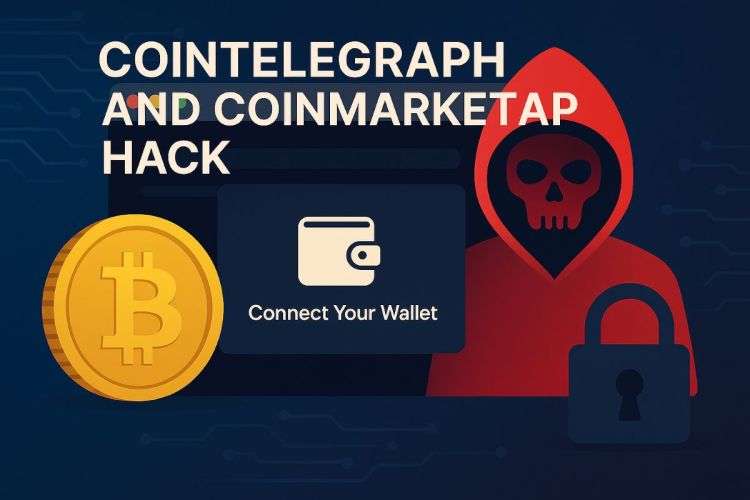
Recent attacks on prominent cryptocurrency platforms, CoinMarketCap and Cointelegraph, highlight the critical need for robust digital asset security. These incidents involved malicious pop-up ads that tricked users into compromising their crypto wallets. The attacks underscore the vulnerabilities associated with custodial wallets, where a third party holds and manages users’ private keys. This centralized control creates a single point of failure, making users susceptible to hacks and theft, as demonstrated by the breaches affecting CoinMarketCap and Cointelegraph. In contrast, non-custodial wallets empower users with complete control over their private keys, significantly enhancing security. These wallets, often referred to as self-custody wallets, eliminate the reliance on third-party custodians, thereby reducing the risk of unauthorized access and funds loss. The benefits of non-custodial wallets include enhanced security, greater privacy, and increased control over one’s crypto assets. However, they also come with increased responsibility. Users must meticulously safeguard their private keys; loss or compromise of these keys results in irreversible loss of access to their funds. Various types of non-custodial wallets exist, offering different levels of user experience and security features. Hardware wallets, for example, provide a high degree of security by storing private keys offline, while software wallets offer convenience but require users to be vigilant about security best practices. The attacks on CoinMarketCap and Cointelegraph serve as stark reminders of the importance of choosing and properly using secure crypto wallets. The article specifically mentions ‘Best Wallet‘ as an example of a non-custodial wallet, although further details about this specific option are not provided within the given excerpt. Ultimately, the choice between custodial and non-custodial wallets depends on an individual’s risk tolerance and technical expertise, but the recent breaches highlight the increasing importance of prioritizing security and control over one’s digital assets.
These recent breaches highlight critical vulnerabilities in centralized platforms, emphasizing why monetary systems security depends on decentralized, non-custodial wallet solutions.
These security breaches highlight the ongoing vulnerabilities that threaten the integrity and user trust in crypto monetary systems worldwide.