Geopolitical Tensions Cast Shadow on Global Economic Outlook
Geopolitical uncertainty, particularly the looming specter of an Iran war, stands as a significant and unpredictable factor clouding the global economic outlook. The primary concern articulated is the potential for such a conflict to profoundly impact energy prices, triggering a substantial macroeconomic shock whose ultimate size and scope remain unknown. This situation exemplifies how international political instability can directly translate into tangible economic challenges, making forecasting and policy responses exceedingly difficult for institutions like the Federal Reserve.
The core risk stems from the anticipated disruption to global energy supplies. An escalation in the Middle East, specifically involving Iran, could jeopardize critical oil shipping routes, most notably the Strait of Hormuz, through which a substantial portion of the world’s crude oil passes. Any significant interruption would inevitably lead to a sharp spike in oil and gas prices. Such an increase would ripple across economies, driving up transportation and production costs for businesses, thereby fueling inflationary pressures. Consumers would face higher costs for goods and services, alongside reduced discretionary income, potentially dampening overall demand and consumption.
The macroeconomic shock could manifest in various forms, including widespread inflation, reduced corporate profits, a slowdown in business investment and hiring, and increased financial market volatility. Central banks, tasked with maintaining price stability and fostering economic growth, would face a complex dilemma: tightening monetary policy to combat inflation risks stifling an already fragile economy, while a more accommodative stance could allow inflation to spiral further. The profound uncertainty regarding the conflict’s duration, intensity, and broader regional involvement makes it exceptionally challenging to predict the exact magnitude or longevity of this economic impact.
Crucially, the provided analysis focuses exclusively on the potential risks and does not identify any direct benefits that might arise from this geopolitical uncertainty or the prospective conflict. The Iran war serves as the specific example highlighting how military and political tensions can directly threaten global economic stability by targeting vital resource flows. The prevailing sentiment is one of caution and preparedness for an unpredictable but potentially severe economic downturn driven by escalating energy costs and broader market instability.
Rising digital asset tensions between major economies are adding another layer of uncertainty to already volatile international trade relationships.
Rising geopolitical uncertainties are prompting central banks worldwide to reassess the stability and interconnectedness of global monetary systems.
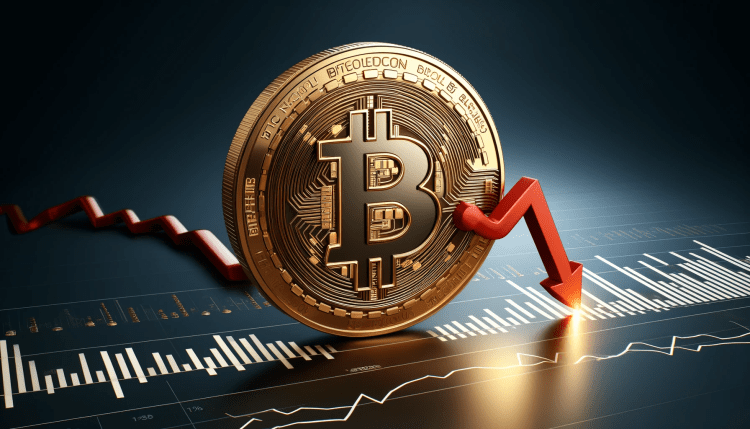
These economic uncertainties are also significantly impacting the digital asset outlook, with cryptocurrency markets showing increased volatility amid global instability.
Rising geopolitical tensions are creating unprecedented uncertainty that threatens to destabilize global monetary systems and disrupt international trade flows.