Satoshi: Bitcoin’s Smallest Unit Explained
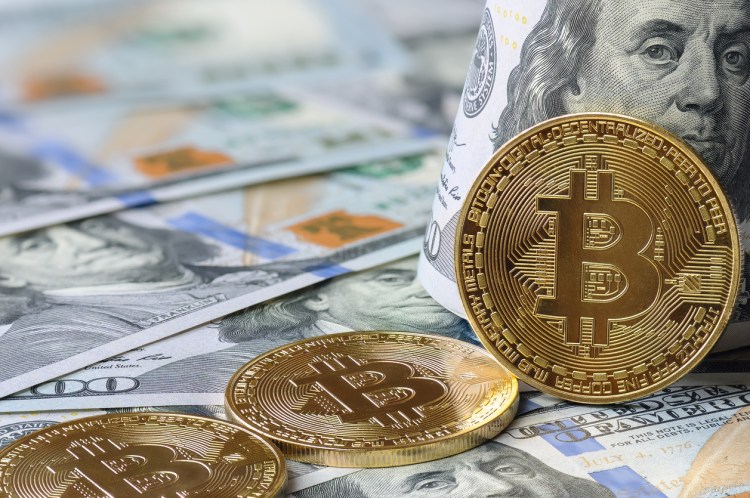
A satoshi is the smallest unit of Bitcoin, named after creator Satoshi Nakamoto. One Bitcoin equals 100 million satoshis—like cents to a dollar, but way smaller. They weren’t a big deal initially, but as Bitcoin’s value skyrocketed, these tiny fractions became essential for everyday transactions. Can’t exactly buy coffee with a whole Bitcoin, right? Satoshis make Bitcoin practical and psychologically appealing. Only 2.1 quadrillion will ever exist, making each tiny unit increasingly significant.
In the world of cryptocurrency, size matters—but sometimes smaller is better. The satoshi, named after Bitcoin‘s mysterious creator Satoshi Nakamoto, represents the tiniest fraction of Bitcoin possible: one hundred millionth (0.00000001 BTC). That’s right, each Bitcoin can be divided into 100 million pieces. Not exactly pocket change, but close.
When Bitcoin first appeared after the 2008 financial crisis, nobody needed these microscopic units. Bitcoin was cheap. Who cared? Fast forward to today, and those tiny fragments matter. A lot. As Bitcoin’s value skyrocketed, smaller denominations became vital. Try buying a coffee with a whole Bitcoin. Ridiculous.
Satoshis make Bitcoin practical for everyday use. They enable precise transactions and provide the backbone for microtransactions on systems like the Lightning Network. Without them, Bitcoin would be the equivalent of trying to pay for gum with a $100 bill. Awkward. Additionally, once a transaction is confirmed on the blockchain, it becomes irreversible, which reinforces the need for accurate transactions.
The limited supply of Bitcoin—capped at 21 million—means satoshis are finite too. Do the math: only 2.1 quadrillion satoshis will ever exist. Sounds like a lot until you consider global adoption. Scarcity drives value. Always has.
Scarcity isn’t just a buzzword. With only 2.1 quadrillion satoshis ever possible, digital scarcity becomes tangible reality.
For newcomers, satoshis offer a psychological advantage. “I own 100,000 satoshis” feels better than “I own 0.001 Bitcoin.” It’s just human nature. People like whole numbers.
Satoshis operate on the Bitcoin blockchain, benefiting from the same decentralized network that makes Bitcoin revolutionary. They’re stored in digital wallets and traded on exchanges just like their bigger counterparts. There is a minimum threshold of 547 satoshis required for any transaction, as smaller amounts are automatically declined by the network. Nothing fancy, just smaller.
The existence of satoshis reflects Bitcoin’s evolution from a niche digital currency to a mainstream investment asset. Satoshis provide lower barriers to entry for investors who cannot afford to purchase an entire Bitcoin at its current high valuation. They provide flexibility, accessibility, and precision—three things any successful currency needs.
In cryptocurrency’s wild universe, the humble satoshi plays a significant role. It’s the atomic unit that makes the Bitcoin ecosystem function. Small but mighty. Kind of like ants. Or atoms. Or whatever tiny thing actually runs the world.
Frequently Asked Questions
Who Named the Satoshi Unit After Satoshi Nakamoto?
The Bitcoin community collectively named the smallest unit of Bitcoin “satoshi” after its enigmatic creator. No single person gets credit for this naming choice.
It emerged organically around 2010-2011 as developers and early adopters needed terminology for fractional bitcoin amounts. Fitting tribute, really. The pseudonymous founder disappeared, but their name lives on in every transaction.
One bitcoin equals 100 million satoshis – a practical division for a digital currency with growing value.
Can Satoshis Be Divided Into Even Smaller Units?
Currently, no. Satoshis are Bitcoin’s smallest unit, period. One satoshi equals 0.00000001 BTC and can’t be divided further under the existing protocol.
There’s a technical floor too—transactions below 547 satoshis get rejected as spam.
Could this change? Maybe. Bitcoin’s protocol could theoretically be updated to allow smaller divisions if demand existed.
But right now? Not happening. Nobody’s really clamoring for “millisatoshis” or whatever they’d be called anyway.
How Do Exchanges Handle Satoshi Denominations?
Exchanges handle satoshis like a boss.
They’ve built sophisticated systems that track these tiny Bitcoin fractions with precision. Users can buy, sell, and trade them just like whole coins. Most platforms display balances in both Bitcoin and satoshi units.
Conversion tools? They’ve got those too. Transaction fees are calculated down to the satoshi level.
When network congestion hits, exchanges prioritize transactions. They’re constantly upgrading their tech to handle these micro-units better. No big deal.
When Did Satoshi Become the Official Term for Bitcoin’s Smallest Unit?
The term “satoshi” wasn’t officially adopted overnight.
First proposed in a Bitcoin forum in 2010, it initially meant one-hundredth of a Bitcoin. Later, the community changed it to one hundred millionth.
By 2011, the Bitcoin community had widely embraced the name. No formal ceremony, just grassroots consensus.
Pretty fitting for a decentralized currency, right? The blockchain already stored all values in these tiny units—the community just gave the denomination its creator’s name.
How Do Hardware Wallets Display Satoshi Balances?
Hardware wallets primarily show balances in BTC, not satoshis. Security first, fancy displays second. Most devices don’t natively highlight satoshi counts, though some newer models are changing this.
Users typically need to convert mentally or use companion apps for satoshi visibility. The trade-off? Rock-solid security versus detailed unit displays.
Some wallets offer toggling between units, but it’s not universal. Bitcoin wallets are evolving, but they’re still catching up to satoshi-specific needs.
Understanding satoshis is essential for anyone working with the bitcoin digital asset, as these tiny units enable precise microtransactions and payments.
Understanding satoshis is crucial for grasping the precision and scalability that bitcoin monetary systems offer compared to traditional currency denominations.
Understanding satoshis is essential for anyone working with the bitcoin digital asset, as these tiny units enable precise microtransactions and fractional ownership.
Understanding satoshis is fundamental to grasping how bitcoin monetary systems achieve precision in microtransactions and everyday digital payments.