Blockchain: Revolutionizing Supply Chain Management
Blockchain is shaking up supply chains in a big way. Traditional systems? Opaque and inefficient. The new decentralized approach offers real-time visibility, slashes costs, and eliminates those mysterious shipping delays we’ve all suffered through. Companies get instant tracking from source to shelf, making counterfeit products nearly impossible to slip in. No more lost paperwork or data inconsistencies either. Supply chain management isn’t just changing—it’s being completely reinvented. The future looks surprisingly transparent.
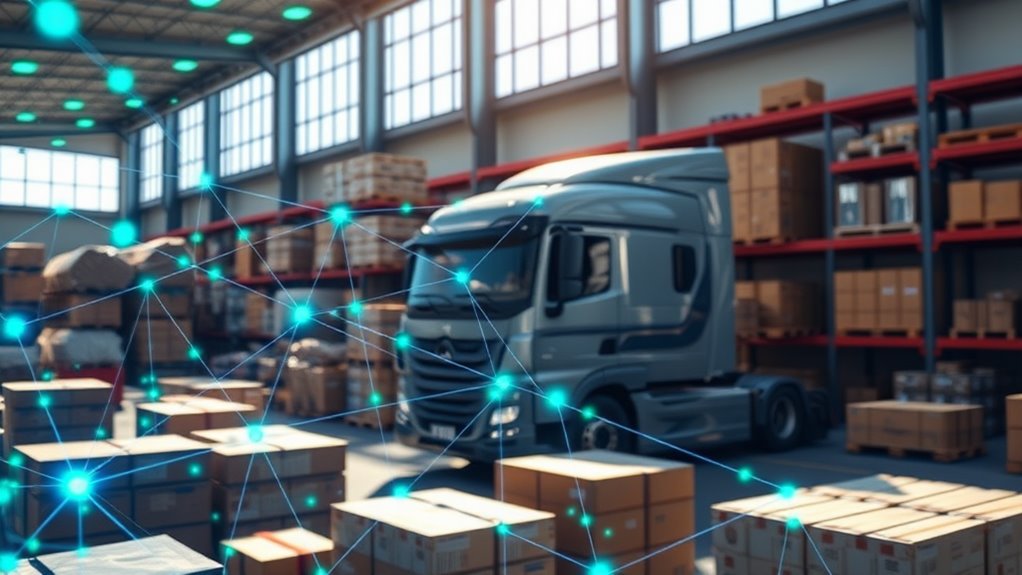
While traditional supply chain systems struggle with transparency and efficiency issues, blockchain technology has emerged as a game-changer for global logistics operations. This decentralized, immutable ledger system is transforming how companies track products, verify authenticity, and maintain regulatory compliance. No more lost paperwork or mysterious shipping delays. Blockchain just works.
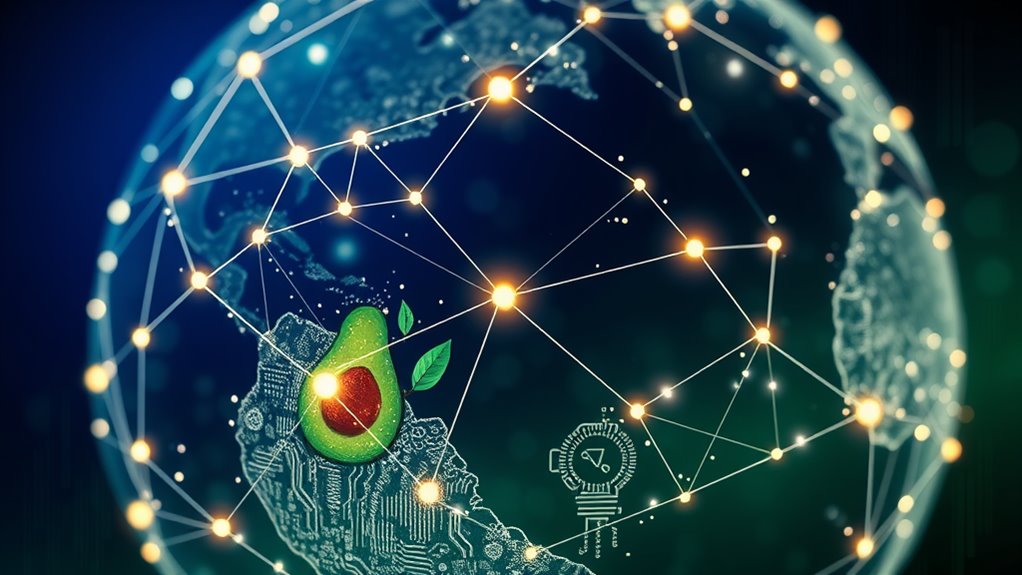
The benefits are pretty obvious. Enhanced transparency allows stakeholders to track products from source to destination—no more wondering where that shipment of avocados actually came from. Increased efficiency cuts out the middlemen who’ve been skimming profits for decades. And cost savings? Substantial. Companies are finally realizing they’ve been hemorrhaging money on outdated processes for years. Additionally, the ability to create an immutable ledger enhances the reliability of data shared among all parties involved.
Real-time visibility into supply chain operations means faster decision-making. Period. Smart contracts automate inventory management and order fulfillment without human error. The security implications are massive too. Blockchain minimizes unauthorized access risks, ensuring data integrity in ways traditional systems simply can’t match.
Blockchain delivers what traditional systems promised but failed to provide: visibility, automation, and bulletproof security.
End-to-end traceability isn’t just a buzzword anymore. It’s reality. Products tracked from source to shelf, with every touchpoint recorded permanently. Try faking that data—you can’t. That’s why counterfeit prevention is one of blockchain’s killer applications. Those knockoff handbags? Much harder to slip into legitimate retail channels now.
Traditional ERP systems look positively ancient by comparison. Sure, blockchain faces scalability challenges—what revolutionary technology doesn’t? Integration isn’t always smooth sailing either. But the long-term cost-effectiveness makes these growing pains worth enduring. Organizations must consider the resource-intensive technology adoption costs alongside potential benefits before implementation. Blockchain complements existing ERP systems by addressing data inconsistencies created by multiple legacy systems.
The future? Adoption is accelerating. Fast. Sustainability tracking is becoming non-negotiable as consumers demand ethical sourcing. Product recalls that once took weeks now happen in hours. Cross-border transactions without intermediaries save time and money. No more waiting three days for payment processing or wondering if that shipment is stuck in customs.
Blockchain isn’t just changing supply chain management. It’s completely reinventing it. And it’s about time.
Frequently Asked Questions
How Expensive Is Blockchain Implementation for Small Businesses?
Blockchain isn’t cheap for small businesses. Initial costs run between $10,000 and $70,000—ouch.
Infrastructure? That’s another $10,000 to $100,000. The more complex, the more expensive. Period.
Technical challenges make it worse. Many small businesses don’t have blockchain experts on speed dial.
There are workarounds though. Open-source platforms cut costs. So does hiring freelancers or using Blockchain-as-a-Service.
Long-term benefits might justify the investment. Might.
What Cybersecurity Risks Are Associated With Blockchain Supply Chains?
Blockchain supply chains face serious cybersecurity threats.
Consensus protocols can be manipulated, giving attackers control over networks. The transparent nature of blockchains? Not always good—sensitive data gets exposed.
Private keys get compromised through phishing. Smart contracts contain bugs that hackers exploit. And let’s not forget scalability issues.
The decentralized structure creates complexity while reducing control. Lack of standards doesn’t help either.
Despite all the blockchain hype, $9 billion in cryptocurrency has been stolen through attacks. Not exactly reassuring.
Can Blockchain Integrate With Existing Legacy Supply Chain Systems?
Yes, blockchain can integrate with legacy supply chain systems – but it’s not simple.
Companies use modular approaches for gradual adoption, preventing operational chaos. ERP compatibility is key. Multi-party network platforms bridge the old with the new.
The real challenge? Data inconsistencies across systems. Different formats everywhere. Technical expertise is essential, and stakeholder buy-in vital.
The payoff is worth it though: transparency, efficiency, reduced costs. Legacy systems aren’t going anywhere soon.
How Does Blockchain Affect Supply Chain Carbon Footprint?
Blockchain slashes carbon footprints in supply chains. Period.
It optimizes transportation routes, cutting emissions where they’re heaviest. Smart contracts? They force suppliers to play by green rules.
The real game-changer is transparency – companies can finally see their actual carbon impact, not just guess at it. Real-time monitoring spotlights inefficiencies that waste energy.
Plus, it reduces overstocking and those ridiculous just-in-case inventory practices that eat resources. Environmental accountability isn’t optional anymore.
What Regulatory Hurdles Exist for Cross-Border Blockchain Supply Chains?
Cross-border blockchain supply chains face a regulatory obstacle course. Different countries, different rules. Period.
Data protection laws vary wildly—what’s compliant in the EU violates Chinese regulations. Customs procedures? A nightmare.
Smart contracts must somehow navigate multiple legal systems simultaneously. Tax implications? Don’t even start. Plus, some countries flat-out ban certain crypto technologies.
Regulatory harmonization efforts exist but progress is glacial. Meanwhile, companies scramble to comply with contradictory requirements. Not exactly efficient.
The digital asset blockchain technology enables unprecedented transparency and traceability throughout complex global supply chains, reducing fraud and improving accountability.
Beyond tracking goods, blockchain monetary systems enable automated payments and smart contracts that streamline financial transactions throughout the entire supply chain.
The digital asset blockchain technology enables unprecedented transparency and traceability throughout complex global supply chains, eliminating counterfeiting and fraud.
Beyond tracking goods, blockchain monetary systems enable automated payments and smart contracts that streamline financial transactions throughout the supply chain.