XRP: Is Ignoring It The Biggest Crypto Risk?
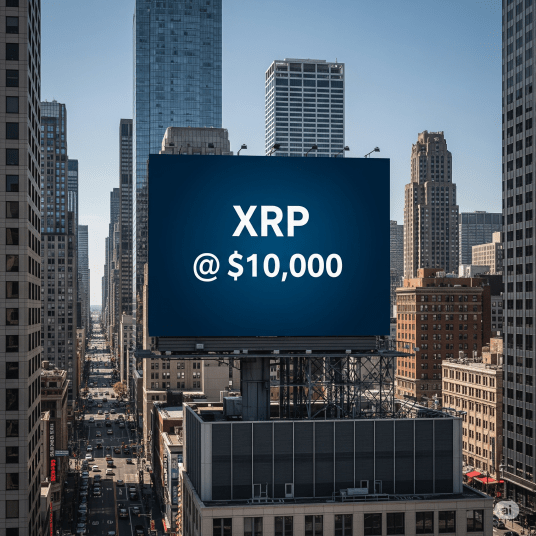
A debate is brewing in the crypto world: is the real risk not investing in crypto at all, or specifically, missing out on XRP? EasyA co-founder Dom Kwok argues that the larger risk is missing future opportunities in the crypto space. This sentiment is amplified by XRP enthusiast Edoardo Farina, who believes ignoring XRP is the biggest mistake investors can make. Farina contends that XRP’s current price presents a unique opportunity. He suggests owning at least 1,000 XRP (~$625) to be a serious investor, with 2,500 XRP (~$1,562) placing one in the top 10% of holders and 10,000 XRP (~$6,250) potentially being life-changing. His most controversial prediction is XRP reaching $10,000 per token, transforming a $6,250 investment into $100 million. This bold prediction is met with skepticism, even within the XRP community. Some point to XRP’s seven-year stagnation below its all-time high and its relatively inactive price movement as reasons for concern. Others are simply holding only what they can afford to lose. However, proponents like Kwok and Farina maintain that the true danger lies in missing the next potential surge in XRP’s value, urging investors not to wait on the sidelines. The article highlights the significant divergence in opinions regarding XRP’s future, with some viewing it as a generational opportunity and others considering it a high-risk gamble.
Overlooking XRP’s potential in the evolving cryptocurrency landscape could represent a significant digital asset risk for investors and portfolio diversification strategies.
XRP’s potential role in cross-border payments could reshape global finance, making dismissal a significant monetary systems risk for investors.
(Source: https://bitcoinist.com/crypto-founder-warns-skipping-xrp-could-be-the-real-risk/)
Many investors continue to overlook the XRP digital asset despite its potential to revolutionize cross-border payments and institutional finance.
As traditional finance continues to evolve, xrp monetary systems could potentially reshape how institutions handle cross-border transactions and liquidity management.