Is My Crypto Safe on a Ledger Hardware Wallet?
Crypto stored on Ledger hardware wallets is generally secure. These devices keep private keys offline, using specialized Secure Element chips that resist hacking attempts. Ledger has operated without major security breaches for nearly a decade, which says something. Still, user errors remain the biggest threat—losing recovery phrases or falling for phishing scams can’t be prevented by any wallet. Even the best security can’t fix human carelessness. The details reveal why proper usage matters more than the device itself.
When billions in digital assets vanish overnight from exchanges, crypto owners start sweating. “Not your keys, not your coins” isn’t just a catchy phrase—it’s survival. Ledger hardware wallets have emerged as a popular solution. But are they actually safe?
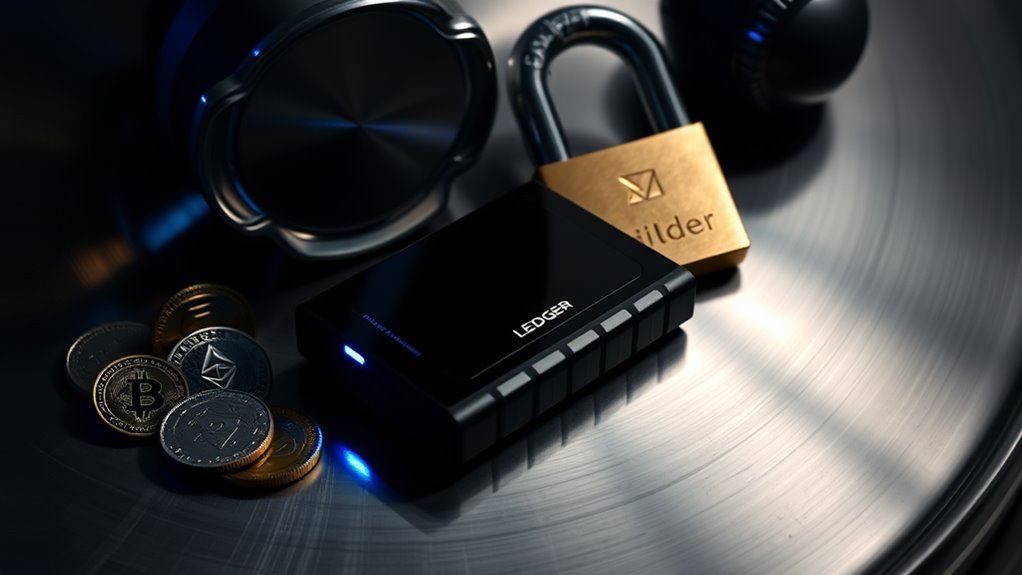
The short answer: Pretty damn safe. Ledger’s security architecture includes offline private key storage and a tamper-proof Secure Element chip—the same tech used in passports and credit cards. No internet connection means hackers can’t simply break in remotely.
Offline storage with passport-grade security—hackers can’t touch what they can’t connect to.
The BOLOS operating system isolates applications from each other, preventing a compromised app from accessing your keys.
Malware? Powerless against offline storage. Phishing? The tamper-proof screen lets you verify transaction details before signing. Physical attacks? Good luck getting past the Secure Element without specialized equipment and expertise. Nearly a decade of operation without successful hacks speaks volumes.
But nothing’s perfect. The closed-source nature of the Secure Element chip raises eyebrows in a community that worships transparency. Ledger recommends setting a strong PIN to prevent unauthorized access should your device fall into the wrong hands. Always purchase your device directly from official Ledger website to avoid potentially compromised units from unauthorized resellers. Still, third-party certifications from organizations like ANSSI help balance these concerns.
The real vulnerability? You. Lost your recovery phrase? Crypto gone forever. Entered your seed phrase on a phishing website? Kiss your funds goodbye. Ledger can’t save you from yourself.
For institutions, Ledger Vault offers enterprise-grade security with multi-authorization protocols. Overkill for average users, essential for those managing millions.
The non-custodial design means you’re in complete control. No third parties can freeze or seize your assets. No government can easily confiscate your wealth. No exchange can suddenly go bankrupt with your coins.
The user-friendly Ledger Live app provides an intuitive interface for managing your cryptocurrency portfolio without compromising security.
Bottom line: Ledger provides robust security against most threats. The device itself is solid. The weakest link in the security chain? Usually the person holding it. Keep your recovery phrase safe, don’t fall for scams, and your digital fortune will likely remain intact—even when exchanges implode spectacularly.
Frequently Asked Questions
How Long Does a Ledger Hardware Wallet Typically Last?
Ledger hardware wallets have varying lifespans.
Battery-free models like Nano S/S Plus typically last 5+ years.
The Nano X and Stax? More like 2-5 years, thanks to those non-replaceable batteries.
Once the battery dies, game over.
The secure element chips inside can function for 5-10 years.
Physical buttons hold up well.
Most users report 1-3 years of active use.
Proper storage helps, obviously.
Cool, dry places are your friend.
Can I Recover My Crypto if I Lose My Ledger Device?
Yes. Crypto recovery is totally possible if a Ledger goes missing. The device is just a key holder – the actual assets stay on the blockchain.
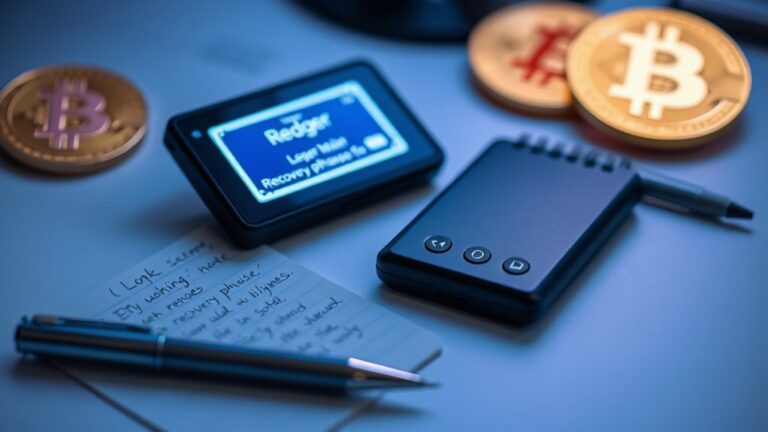
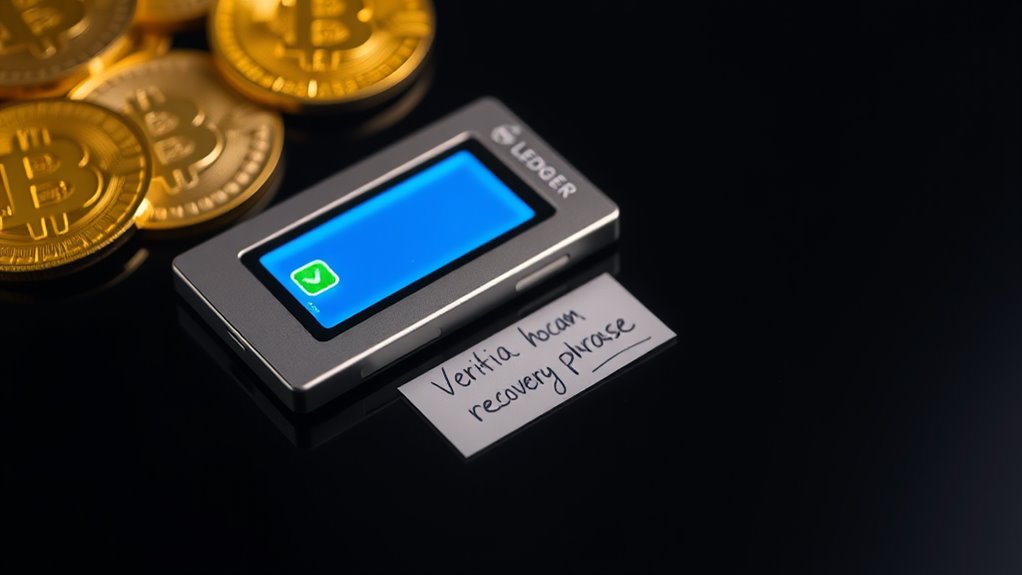
Recovery methods include the 24-word seed phrase (the lifeline), Ledger Recover service (paid backup option), or a backup device.
Without the seed phrase though? Tough luck. That’s why everyone obsesses about securing those 24 words.
The device itself? Replaceable. Those recovery words? Irreplaceable.
Does Ledger Work With All Cryptocurrency Types?
Ledger doesn’t support every crypto under the sun. Period.
While it handles 2,000+ coins including Bitcoin, Ethereum, and popular altcoins, there are limitations.
Some cryptocurrencies require third-party wallets like MyEtherWallet for ERC20 tokens.
Users need to install blockchain-specific apps for each network they use.
The device only works with coins explicitly listed on Ledger’s supported assets page.
New cryptocurrencies? You’ll need firmware updates first.
What Happens if Ledger the Company Goes Bankrupt?
Ledger bankruptcy? Not a crypto-pocalypse. Your funds remain safe on the blockchain, not with the company.
The magic lies in your 24-word recovery phrase—it’s the real key. Import it into any BIP-39 compatible wallet (hardware or software) and boom, access restored.
Ledger’s just the gateway, not the guardian. Their servers could vanish tomorrow, and your crypto would still be accessible.
No company, no problem.
Can I Connect My Ledger Wallet to Defi Platforms?
Yes, Ledger wallets connect to various DeFi platforms.
Users can seamlessly integrate with Crypto.com DeFi Wallet, Rainbow Wallet, MetaMask, and MyEtherWallet. The hardware wallet supports multi-chain operations across Ethereum, Solana, and others.
Most impressive? The secure element chip keeps private keys offline during DeFi interactions.
Still need physical button confirmation for transactions, though. No internet exposure means better protection while still accessing those juicy DeFi yields.
Understanding digital asset safety is crucial for cryptocurrency investors considering whether hardware wallets like Ledger provide adequate protection.
As crypto monetary systems continue to evolve, securing your digital assets with reliable hardware wallets becomes increasingly important for long-term protection.
As crypto monetary systems continue to evolve, securing your digital assets with proper hardware storage becomes increasingly important for long-term protection.