Tokenization in Crypto: Breaking Down Digital Assets
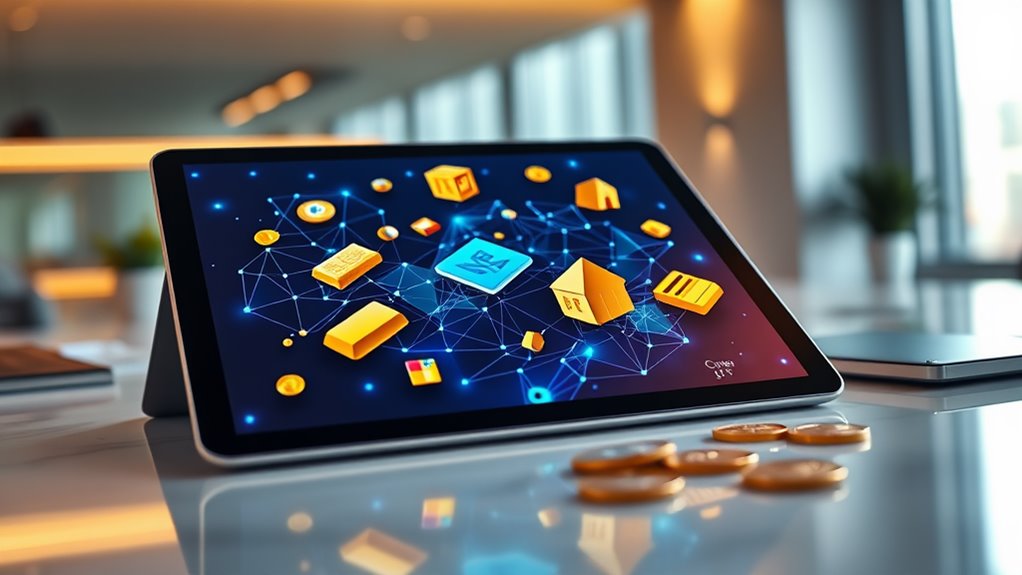
Tokenization transforms real-world assets into digital tokens on blockchain networks. It’s revolutionizing how we own stuff. Real estate, art, stocks—they’re all getting the digital treatment. The process creates different token types: fungible (like Bitcoin), non-fungible (unique collectibles), and security tokens (investment contracts). Smart contracts handle the dirty work, cutting out middlemen. The market’s projected to hit $16 trillion by 2030. Not bad for some digital code representing physical things.
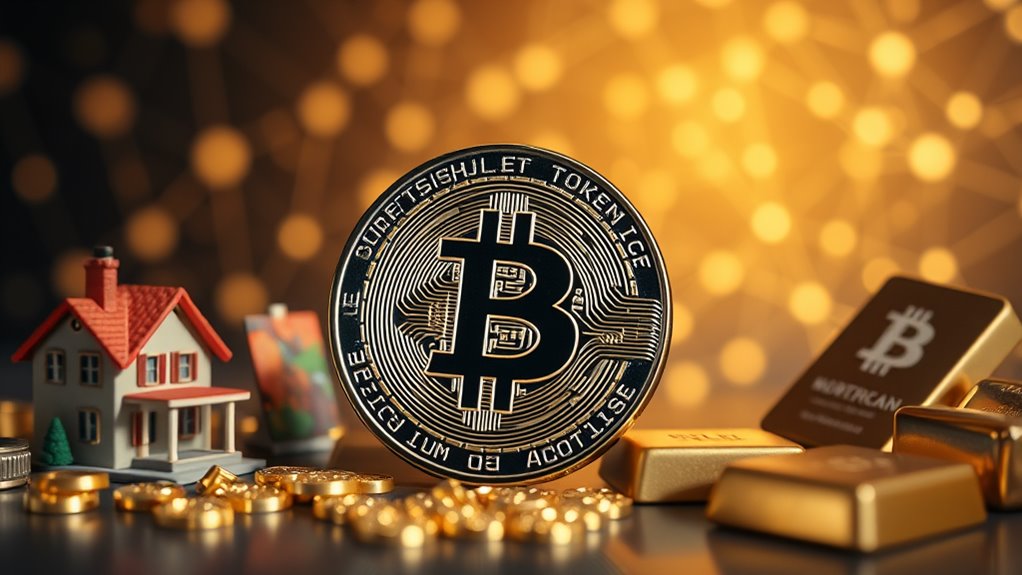
Increasingly, the crypto world finds itself obsessed with a new buzzword: tokenization. It’s everywhere. Everyone’s talking about it. But what exactly does it mean? Simply put, tokenization converts traditional assets into digital tokens on a blockchain. Real estate, art, gold—you name it, someone’s probably tokenized it.
The process isn’t rocket science. First, identify what you want to tokenize. Next, handle the legal stuff (boring but necessary). Then create the tokens, set up smart contracts, and finally list them for trading. Voilà! Your previously illiquid asset now exists as tradable digital pieces. This entire method is made feasible by blockchain technology, which ensures secure and transparent transactions.
Tokenization: turning your chunky, immovable assets into bite-sized digital candy anyone can trade.
Blockchain makes all this possible. It’s the technological backbone—secure, transparent, and virtually impossible to tamper with. Smart contracts automate everything, cutting out middlemen who’d normally take a fat slice of the pie. No wonder traditional finance folks are sweating.
The benefits? Massive. Tokenization injects liquidity into previously stagnant markets. That multi-million dollar building? Now available in affordable digital slices. That exclusive art collection? Open to average investors. It’s democratization of assets, plain and simple.
Different tokens serve different purposes. Fungible tokens are interchangeable—like trading one Bitcoin for another. NFTs represent unique items—that digital monkey jpeg selling for ridiculous sums. Security tokens? They’re fundamentally digitized stocks and bonds. Utility tokens give you access to specific services. Pick your poison.
Real-world applications are already here. Property developers tokenize buildings. Artists sell NFTs. Companies issue tokenized bonds. Even intellectual property gets the token treatment. Purchase options have expanded too, with platforms like MoonPay allowing users to buy tokens using credit cards and PayPal. The market’s expanding 24/7, globally.
Is tokenization perfect? Hell no. Regulatory hurdles exist. Security concerns linger. But its trajectory seems unstoppable. The ability to fractionalize ownership, increase transparency, and reduce transaction costs makes too much sense to ignore. The market is projected to reach an astounding 16 trillion dollars by 2030 according to Boston Consulting Group’s forecast.
The crypto world loves its shiny new toys, but tokenization isn’t just hype—it’s transforming how we think about ownership in the digital age. That’s not just buzzword bingo; it’s economic evolution happening in real-time.
Frequently Asked Questions
How Are Security Tokens Different From Utility Tokens?
Security tokens represent ownership in real-world assets like company shares or real estate.
They’re regulated, just like traditional securities. Investors expect returns based on asset performance. Pretty straightforward stuff.
Utility tokens? Different animal entirely.
They give access to products or services within a blockchain ecosystem. No ownership implied. Think of them as digital keys or membership cards.
They’re mostly exempt from securities laws too. Less regulatory headaches, more functional focus.
Can Tokenized Assets Be Traded Across Different Blockchain Platforms?
Yes, tokenized assets can absolutely be traded across different blockchains.
It’s not even difficult anymore. Technologies like atomic swaps, wrapped tokens, and cross-chain bridges make it possible. Chainlink CCIP and similar protocols handle the communication between chains.
Sure, there are challenges—security risks, regulatory headaches, technical complexity. But the potential is massive. The market could hit $24 trillion by 2027. Major financial institutions are already jumping in.
The future is cross-chain, like it or not.
What Regulatory Challenges Do Tokenized Securities Face Globally?
Tokenized securities face a regulatory nightmare globally. Different countries, different rules. Period.
The SEC in the US still applies old-school securities laws to new tech. Europe’s trying with MiCA, but implementation’s messy. Cross-border transactions? Good luck with that jurisdictional puzzle.
Meanwhile, Switzerland and Singapore are actually getting their act together with clear frameworks.
Investor protection remains a massive concern – fraud risks are high when traditional safeguards don’t exist.
Regulatory harmonization? Still just a pipe dream.
How Do Token Economics Affect Long-Term Value Stability?
Token economics profoundly shape long-term value stability.
Deflationary models with capped supplies often drive appreciation through artificial scarcity. Utility matters too—tokens offering governance rights or platform access maintain stronger demand.
Distribution mechanisms make a difference; gradual releases prevent price crashes from sudden supply surges. Staking encourages hodling, reducing circulating supply.
The math is simple: tokens need sustainable demand that outpaces supply growth. Without real utility? Even the fanciest tokenomics can’t save a worthless project.
What Technical Standards Ensure Tokenized Asset Interoperability?
Interoperability of tokenized assets relies on several technical standards. ERC-20 and ERC-721 serve as foundations but lack cross-chain functionality.
More sophisticated solutions exist. Chainlink’s CCIP enables seamless data synchronization across blockchains. Open-source standards like ERC-3643 and ERC-1400 enforce compliance rules.
Hub-and-spoke topology connects multiple networks through central hubs. Despite these advances, variability in token standards remains a challenge.
Cross-chain smart contracts are helping, but hey, perfect interoperability? Still a work in progress.
Digital asset tokenization represents a revolutionary process that converts real-world assets into blockchain-based tokens for easier trading and ownership.
Tokenization serves as a fundamental building block for digital monetary systems by converting real-world assets into blockchain-based digital tokens.
Tokenization transforms any crypto digital asset into smaller, tradeable units that represent fractional ownership of the underlying asset.
Tokenization represents a fundamental shift in how digital monetary systems handle ownership and transfer of various asset types.