Crypto Market Manipulation: Types and Prevention
Cryptocurrency markets face rampant manipulation through various tactics. Wash trading creates fake volume while pump and dumps leave investors holding worthless coins. Spoofing and layering trick traders with phantom orders. Pseudonymity makes detection nearly impossible. Whales corner markets by controlling low-liquidity assets. Social media influencers can move prices with a single tweet. Regulators can’t keep up with evolving schemes. The crypto wild west continues to claim unsuspecting victims daily.
Lurking beneath the dazzling highs and crushing lows of cryptocurrency markets is a shadowy ecosystem of manipulation tactics. The crypto wild west isn’t just volatile by nature—it’s being actively manipulated. Wash trading, pump and dumps, spoofing, layering—these aren’t just fancy terms. They’re weapons used against average investors every single day. And guess what? They work.
Wash trading might sound like laundry day for your digital wallet. It’s not. It involves simultaneously buying and selling the same assets to create an illusion of market activity. Fake volume, fake interest, real consequences. Unregulated exchanges are swimming in this stuff. A shocking report by Bitwise revealed that 95% of volume on unregulated exchanges was fake in 2019. Good luck spotting it though—pseudonymity makes detection nearly impossible. Advanced surveillance tools are essential to help identify such deceptive practices and protect investors.
Fake trades, real damage. Behind the curtain, manipulators create illusory markets while you bet on mirages.
Then there’s the classic pump and dump. Social media influencers and chat groups coordinate to buy low-cap coins, hype them to high heaven, then dump their bags on unsuspecting followers. Operation Token Mirrors recently caught some of these schemes. Too little, too late for many victims.
Spoofing and layering are the market’s equivalent of catfishing. Traders place orders they never intend to execute, creating false impressions of market depth. Prices move. Orders vanish. Regular investors make decisions based on lies. Proving intent? Nearly impossible.
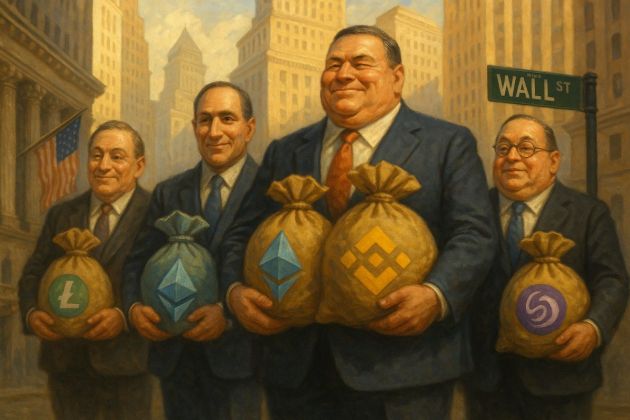
Insider trading isn’t just for Wall Street suits. Crypto projects leak information to preferred investors all the time. New partnership announcement coming? Someone already bought in last week. Regulatory efforts exist but they’re fighting an uphill battle against decentralization.
Market cornering happens when whales buy massive portions of low-liquidity assets. They control the price. They squeeze the shorts. They win. You lose. These tactics pose a significant threat to integrity and stability of the entire market ecosystem.
Technology and social media amplify these problems. A single tweet can move markets. A coordinated Discord campaign can pump coins 1000% overnight.
Prevention efforts continue to evolve, but let’s be real—regulators are playing catch-up in a market designed to evade oversight. Until meaningful protections emerge, the crypto market remains a playground for manipulators. Buyer beware.
Frequently Asked Questions
How Can Retail Investors Detect Pump-And-Dump Schemes?
Retail investors can spot pump-and-dumps by watching for sudden price spikes without real news backing them.
Red flags everywhere. Suspicious? Check social media for coordinated hype campaigns—that’s classic manipulation.
Low-volume cryptocurrencies are prime targets. Yeah, good luck finding legit reasons for that 500% jump overnight.
Transaction patterns matter too. Some folks use machine learning tools that detect anomalies in trading data.
Market manipulation isn’t exactly subtle—if it looks fishy, it probably is.
Are Decentralized Exchanges Less Susceptible to Market Manipulation?
Decentralized exchanges eliminate some manipulation risks but create others.
No intermediaries means less chance of insider shenanigans. Smart contracts add transparency—computers don’t play favorites.
But let’s not kid ourselves. The anonymity factor? Perfect cover for wash trading. MEV attacks and front-running still happen. Regulatory gaps are massive.
And those smart contracts? Only as secure as their code.
Bottom line: different vulnerabilities, not necessarily fewer.
What Legal Recourse Exists for Victims of Crypto Market Manipulation?
Victims of crypto market manipulation have several legal options. They can report to the SEC, FBI’s Internet Crime Complaint Center, or local authorities.
Documentation matters—save everything. Courts may issue freezing orders against fraudsters and third parties holding stolen assets.
Whistleblowers get federal protection, even with NDAs in place. Cross-border cooperation helps, though international enforcement remains tricky.
Proprietary claims give victims priority in recovering assets. The SEC’s ramping up enforcement, too.
No guarantees, though.
How Do Regulators Across Different Countries Coordinate Against Manipulation?
Regulators fight crypto manipulation through global networks. The FSB and IOSCO lead efforts, establishing frameworks that apply the “same activity, same risk, same regulation” principle across borders.
Joint investigations happen when needed. Information sharing is essential but still developing. Countries coordinate through formal agreements and informal channels.
Technology helps track suspicious activities. Honestly, coordination remains imperfect – regulatory arbitrage exists where manipulators exploit gaps between jurisdictions. Some countries are still playing catch-up.
Can Blockchain Analytics Tools Help Identify Manipulative Trading Patterns?
Blockchain analytics tools are game-changers for spotting market manipulation. They dig through mountains of transaction data, flagging suspicious patterns instantly.
Machine learning algorithms detect anomalies that humans might miss. These tools can pinpoint wash trading, pump-and-dumps, and spoofing with impressive accuracy.
They’re not perfect—manipulators adapt quickly. But the technology keeps improving. Regulators and exchanges are increasingly dependent on these tools.
The cat-and-mouse game continues, just with better cats.
Digital asset manipulation encompasses various deceptive practices that artificially inflate or deflate cryptocurrency prices to mislead investors and distort market conditions.
Understanding market manipulation is crucial for maintaining trust and stability within crypto monetary systems as they continue to evolve globally.
Digital asset manipulation encompasses various fraudulent schemes that artificially inflate or deflate cryptocurrency prices to deceive investors.
Cryptocurrency markets face unique vulnerabilities to monetary systems manipulation due to their decentralized nature and relatively low regulatory oversight.