How to Buy Cryptocurrency: A Beginner’s Guide
Buying cryptocurrency requires choosing between exchanges (more options) or brokers (simpler). Security is non-negotiable—look for two-factor authentication and cold storage. You’ll need ID for the setup process; everyone does. Fund your account through bank transfers (cheaper) or cards (faster), then make purchases via market or limit orders. Storage options include hot wallets (convenient) or cold wallets (safer). The crypto world awaits, ready or not.
Diving into cryptocurrency can feel like stepping into a digital Wild West. Markets swing wildly, platforms compete fiercely, and newcomers often feel overwhelmed. Yet millions jump in daily. Why? The potential rewards. But first, you need a plan.
Selecting the right platform matters. Exchanges offer more trading pairs but complexity. Brokers simplify the process but limit options. Check the fees—they add up fast. Some platforms charge 3% per transaction. Ridiculous.
Platform choice is critical—exchanges for variety, brokers for simplicity. Watch those fees like a hawk.
Security features aren’t optional; they’re essential. Two-factor authentication, cold storage, and insurance should be standard. Don’t settle for less.
Account setup follows a predictable pattern. You must be 18. Period. Platforms require government ID for KYC compliance—no exceptions. They’ll need your legal name, birth date, address, and contact info. Nothing fancy. Just the basics.
Then link payment methods. Bank accounts offer lower fees than cards. Digital wallets work too.
Funding comes next. Bank transfers are cheapest but slowest. Need speed? Use debit cards or digital wallets like PayPal. Avoid credit cards. The fees and interest are brutal.
Each platform sets minimum deposit amounts. Some start at $5, others at $50.
Purchase time. Select your asset—Bitcoin, Ethereum, whatever catches your eye. Enter an amount ($100 or 0.005 BTC, your choice). Market orders execute immediately. Limit orders wait for your specified price.
Review everything twice. Fees, amounts, assets. Then hit buy.
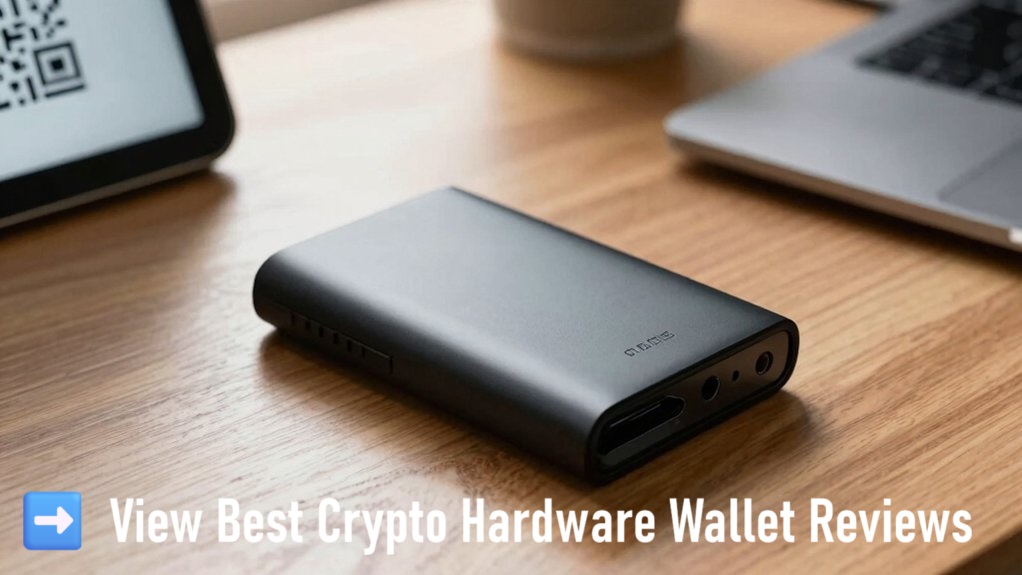
Storage decisions follow. Hot wallets connect to the internet—convenient but vulnerable. Cold wallets stay offline—secure but clunky. Bitcoin ATMs offer another option with over 30,000 worldwide locations, though their convenience comes with premium fees. For enhanced security, consider transferring your assets to a personal wallet rather than leaving them on the exchange.
Many newcomers keep assets on exchanges. Not ideal, but common. Enable every security feature available.
Remember the risks. Crypto prices swing dramatically. Bitcoin’s value collapsed by over 75% between 2021-2023. That’s not a dip—it’s a cliff dive.
Regulatory changes loom constantly. Platforms can fail overnight. This isn’t savings bonds or index funds. It’s the financial frontier. With approximately 425 million users globally having adopted cryptocurrency, you’re joining a significant movement despite the risks. Proceed accordingly.
Frequently Asked Questions
How Do I Secure My Cryptocurrency From Hackers?
Cryptocurrency security isn’t rocket science, but hackers don’t sleep.
Hardware wallets keep private keys offline—they’re essential. Two-factor authentication is non-negotiable for exchange accounts.
Never, ever share seed phrases. Period. Withdraw crypto from exchanges after purchasing; they’re prime targets.
Multi-signature wallets require multiple approvals, eliminating single points of failure.
Transaction monitoring tools catch suspicious activity early. Regular security audits matter.
And seriously, verify addresses before sending. Hackers count on carelessness.
What Tax Implications Should I Consider When Trading Crypto?
Crypto trading equals tax headaches.
Each transaction triggers capital gains tax—short-term rates hit 37% for holdings under a year, while long-term drops to 0-20%.
Swapping coins? Taxable. Using Bitcoin for coffee? Taxable. Even stablecoins don’t escape the IRS’s clutches.
Mining or staking creates ordinary income based on market value at receipt.
Losses can offset gains, up to $3,000 of regular income annually.
No 1099? Still reportable. The tax man always finds you. Always.
Is Cryptocurrency Mining Profitable for Beginners?
Cryptocurrency mining is barely profitable for beginners in 2024.
Harsh reality? Big operations dominate. ASICs cost thousands, electricity bills pile up, and that hardware depreciates faster than a new car.
Small miners get crushed by increasing difficulty and can’t access bulk discounts.
Post-halving economics require Bitcoin near $70k just to break even.
Sure, mining pools help—but they’re just splitting crumbs.
The days of garage mining fortunes? Long gone.
How Do Crypto Airdrops and Forks Affect My Holdings?
Airdrops and forks can be a mixed bag for crypto holdings. Free tokens—sounds great, right? Not always. Airdrops often trigger immediate sell-offs, crushing token values post-launch. Most trade below listing prices thanks to yield farmers dumping their “free” money.
Forks create entirely new assets when blockchains split. Unlike airdrops, these sometimes retain value.
Both come with tax headaches—airdrops count as income immediately, fork-derived assets face capital gains when sold. Not exactly the windfall they seem.
Which Hardware Wallets Offer the Best Security Features?
Hardware wallets aren’t created equal. Ledger Nano X and Trezor Model T lead with secure elements and PIN protection. They’re offline. That’s the point.
Bitbox02 offers anti-tampering alerts, while KeepKey brings encrypted recovery sentences to the table.
Newcomer Cypherock uses decentralized seed phrase backup—pretty innovative approach.
Security features to watch for: secure chips, PIN codes, physical buttons (no remote hacking), and recovery options. Some offer multi-signature support too.
Choose wisely. Your crypto depends on it.
This comprehensive digital asset guide will walk you through the essential steps needed to make your first cryptocurrency purchase safely and confidently.
Understanding cryptocurrency monetary systems is essential before making your first purchase, as these digital frameworks operate differently from traditional banking.
This comprehensive digital asset guide will walk you through every step needed to safely purchase your first cryptocurrency investment.
This comprehensive monetary systems guide will help newcomers understand how digital currencies fit into today’s evolving financial landscape.