Key Factors for Choosing the Right Crypto Wallet
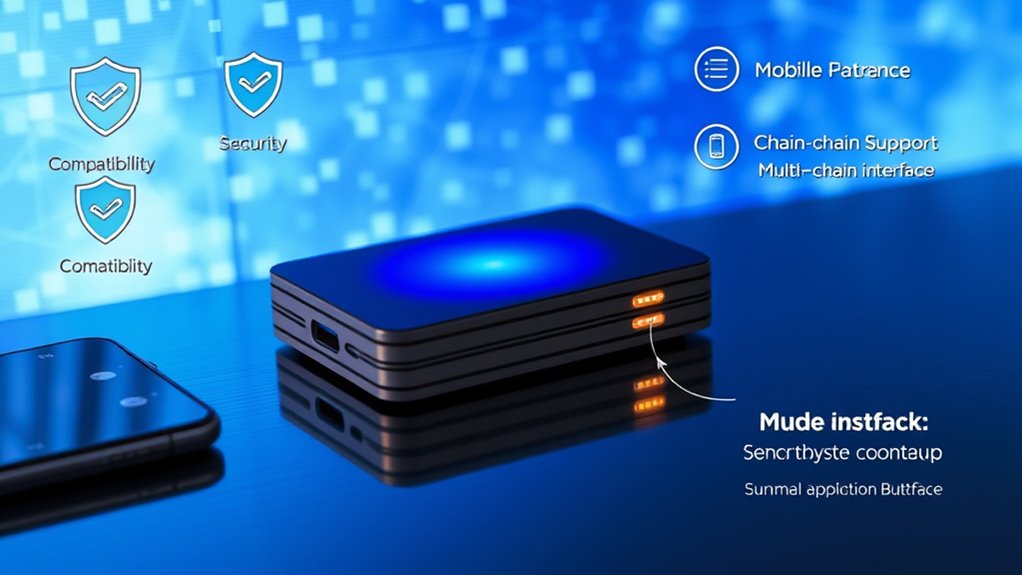
Choosing a crypto wallet isn’t rocket science, but it matters. Security features like encryption and two-factor authentication protect your digital assets from thieves. Wallet types vary—hardware options offer air-gapped protection while software wallets provide convenience. Consider what cryptocurrencies you need supported and whether you want staking capabilities. Device compatibility affects daily use. No wallet excels at everything; prioritize what you actually need. The perfect balance between security and usability exists somewhere in this digital wilderness.
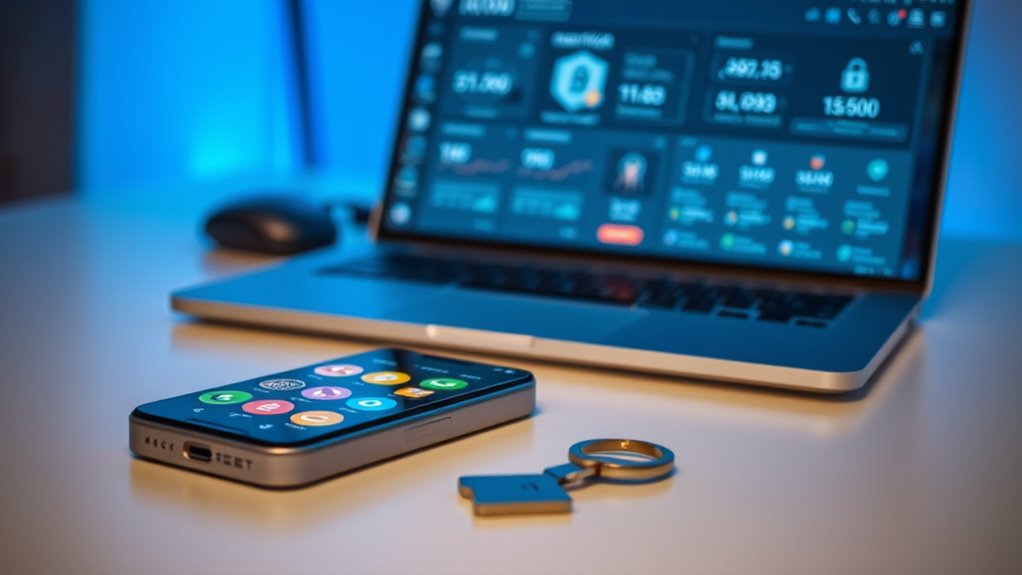
While diving into cryptocurrency can feel like jumping into the deep end of a pool, selecting the appropriate wallet shouldn’t be a matter of blind trust. Security remains the non-negotiable cornerstone when evaluating options. Wallets with robust encryption protocols and secure private key management shield users from the ever-present threat of hackers. Two-factor authentication adds another essential barrier, while multi-signature functionality requires multiple approvals for transactions—keeping digital assets safer than a paranoid billionaire’s panic room. Thorough research of wallet reputation is essential to ensure you’re selecting a trustworthy option with credible security history.
Navigating crypto requires discernment—your wallet choice guards the treasury to your digital fortune.
Open-source wallets provide transparency that closed systems simply can’t match. Anyone can inspect the code. Find vulnerabilities. Fix problems. Hardware wallet compatibility brings physical security into the digital equation, with devices from Ledger and Trezor providing air-gapped protection that software wallets can’t replicate. Non-custodial wallets offer direct ownership of your private keys, giving you complete control over your crypto assets.
Device compatibility impacts daily usability. A great wallet on paper becomes useless if it doesn’t work with your primary devices. Multi-chain functionality allows users to manage diverse assets without juggling multiple applications. Some wallets integrate directly with exchanges—convenient, but sometimes a security trade-off. Backup options are critical for protecting your assets in case your device is lost, stolen, or damaged.
The interface matters more than crypto-purists admit. Maneuvering complex functionality shouldn’t require a computer science degree. Beginners benefit from built-in tutorials and simplified processes, while advanced users demand customization options like fee adjustments and batch transactions. Mobile accessibility has become essential for most users. Crypto doesn’t sleep, and neither should wallet functionality.
Asset support defines fundamental utility. Not all wallets support every cryptocurrency—a harsh reality for diversified portfolios. ERC20 token support matters for Ethereum users, while NFT collectors need specialized storage and marketplace access. Staking features transform static holdings into income-generating assets, a capability increasingly expected by crypto investors.
Transaction flexibility separates basic containers from sophisticated tools. Customizable fees help users traverse congested networks without overpaying. Lightning Network integration enables faster, cheaper Bitcoin transactions—crucial during high-volume periods.
The best wallets balance security with convenience, advanced features with intuitive design, and cross-platform consistency with specialized functionality. No wallet does everything perfectly, but the right one does what matters most.
Frequently Asked Questions
Can I Recover My Funds if I Lose My Wallet Password?
Recovery depends entirely on the wallet type.
Custodial wallets? Password reset options exist.
Non-custodial wallets? No password, no problem—if you have the seed phrase.
That little string of words is your actual lifeline. Without it? Tough luck. Funds are basically gone forever.
It’s why crypto veterans obsessively protect their seed phrases.
Hardware wallets offer some extra protection, but ultimately, the recovery fundamentals don’t change.
No backup method, no access.
Are Mobile Wallets as Secure as Hardware Ones?
No. Mobile wallets just aren’t as secure as hardware ones. Period.
They’re connected to the internet, making them vulnerable to malware, phishing, and remote attacks.
Hardware wallets store keys offline—a huge security advantage. Mobile wallets rely on software verification, while hardware wallets require physical confirmation for transactions.
Sure, mobile wallets offer convenience and easier trading access. But when it comes to protecting large holdings?
Hardware wallets win the security battle. Every. Single. Time.
Do Crypto Wallets Work With All Blockchain Networks?
No, crypto wallets don’t work with all blockchain networks.
Most support Ethereum and EVM-compatible chains like Polygon or BNB Chain. But non-EVM networks? That’s another story.
Bitcoin needs Bitcoin addresses. Solana needs Solana addresses. Period.
Some wallets handle multiple chains, but assets aren’t interchangeable.
Send Bitcoin to an Ethereum address? Gone forever.
Bridges exist for cross-chain transfers, but they’re separate tools.
Network compatibility matters. A lot.
Can Government Agencies Track My Wallet Transactions?
Yes, government agencies can track most wallet transactions.
Public blockchains like Bitcoin and Ethereum record everything permanently—it’s literally their job. Exchanges rat you out through KYC requirements and tax reporting. The IRS uses specialized analytics firms like Chainalysis to connect dots between wallets and real people.
Even “anonymous” wallets leave footprints. Those new 87,000 IRS agents aren’t just for show. Privacy coins offer more protection, but nothing’s foolproof in crypto these days.
What Happens to My Crypto if the Wallet Company Goes Bankrupt?
If a custodial wallet provider goes bankrupt, customer crypto might be considered part of the bankruptcy estate.
Users could end up as unsecured creditors, standing in line behind others.
Recovery? Often takes years, if it happens at all.
Non-custodial wallets don’t have this problem – they never hold your crypto in the first place.
That’s the whole point.
Some exchanges mix customer funds together, making ownership claims a nightmare during bankruptcy proceedings.
Cold storage looks pretty smart now, huh?
When selecting a crypto wallet, it’s essential to understand how different crypto monetary systems operate and their specific security requirements.
Selecting the appropriate digital asset wallet requires careful consideration of security features, supported cryptocurrencies, and user interface design.
Understanding how to securely store and manage digital assets is crucial when participating in crypto monetary systems.