The Quiet Revolution: How Gold Is Threatening Dollar Dominance Again

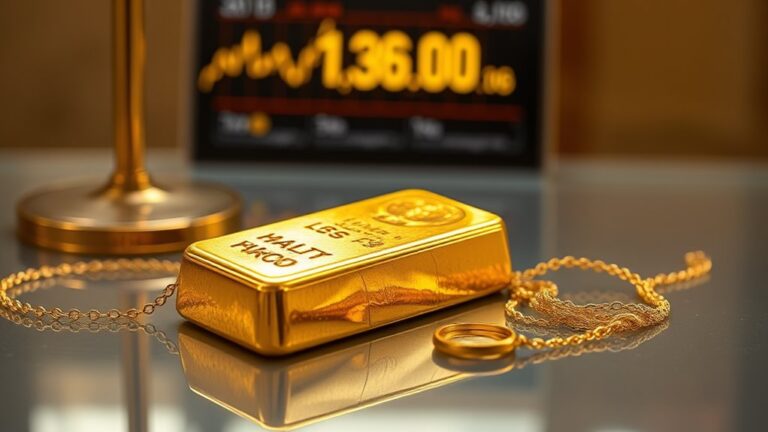
As central banks scramble to hoard gold at the fastest pace ever recorded, the long-standing dominance of the U.S. dollar faces its most serious challenge in decades. Over 2,000 tons of gold snatched up in just two years. Unprecedented. Central banks aren’t playing around anymore, with 81% expecting to increase their gold holdings further in 2024. They’re voting with their vaults, not their mouths.
The dollar’s fall from grace isn’t new. Since the Federal Reserve’s creation in 1913, the greenback has experienced a catastrophic decline against gold – from 1,500 milligrams to under 10 milligrams today. That’s not a typo. The almighty dollar has lost over 99% of its value when measured against history’s most reliable money. Ouch.
Remember Bretton Woods? That cozy post-war agreement pegged the dollar to gold at $35 per ounce. Worked great until it didn’t. Nixon slammed that window shut in 1971, and we’ve been floating on faith ever since. No gold backing, just trust in Uncle Sam. How’s that working out?
Experts warn there’s no limit to how far the dollar could fall against gold. Zero. Zilch. Nada. Those rising gold prices everyone cheers about? They’re actually a symptom of fiat currency erosion. Not exactly cause for celebration if your savings are denominated in dollars.
Gold offers something dollars can’t – freedom from credit risk and immunity to sanctions. No wonder countries are rushing to stock up. The Swiss franc and gold have become the diversifiers of choice, especially for nations tired of America’s financial hegemony. Keith Weiner suggests investors adopt a buy the dips strategy rather than panicking during market volatility.
The correlation is clear. Weaker dollar, higher gold. Though short-term fluctuations happen, the long-term trend is unmistakable. What we’re witnessing isn’t just a momentary shift but potentially a quiet revolution in the global monetary order. New gold-backed cryptocurrencies are emerging as a modern bridge between traditional gold investment and digital finance, offering both stability and accessibility without physical storage concerns. Gold, that barbarous relic, is staging a comeback. And the dollar’s throne has never looked shakier.
The digital asset revolution has accelerated central banks’ pivot toward gold reserves as they seek alternatives to traditional dollar-based systems.
This monetary systems revolution represents a fundamental shift as central banks increasingly diversify their reserves away from traditional dollar holdings.
The digital asset revolution has intensified global discussions about monetary alternatives, with gold emerging as a renewed hedge against traditional currency risks.
Central banks worldwide are quietly accumulating gold reserves as they explore alternatives to traditional gold monetary systems that once dominated global finance.