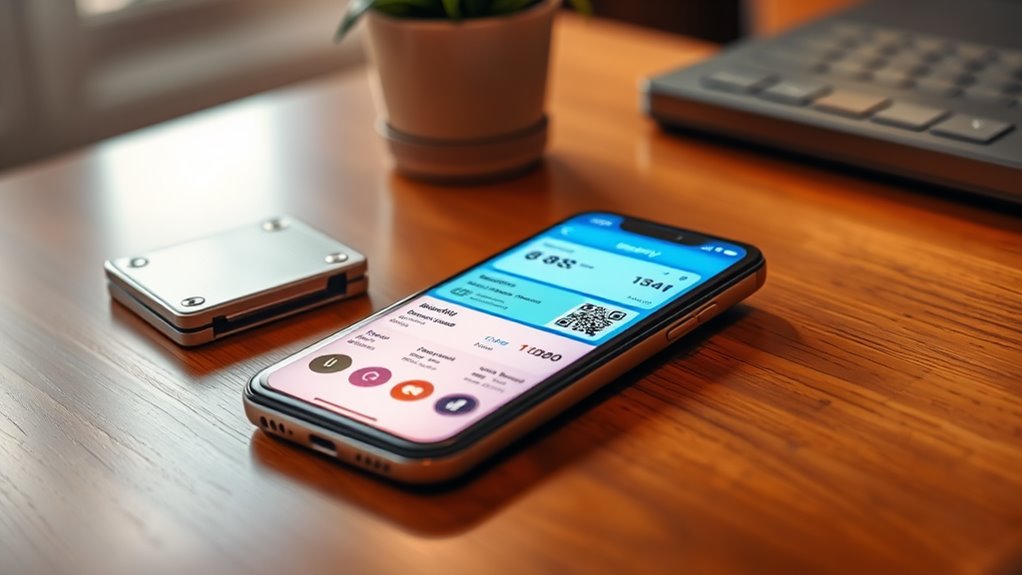
Essential Features of a Crypto Wallet App
A solid crypto wallet app needs security features like multi-factor authentication and encryption—non-negotiable. Users want intuitive interfaces with multi-chain support and QR scanners. Real-time transaction monitoring catches sketchy activity fast. Good wallets handle multiple cryptocurrencies, offer cold storage, and simplify address management. Cross-chain capabilities? Huge plus. Technical aspects matter too, but function trumps frills every time. The difference between keeping and losing your digital fortune lies in these essential components.
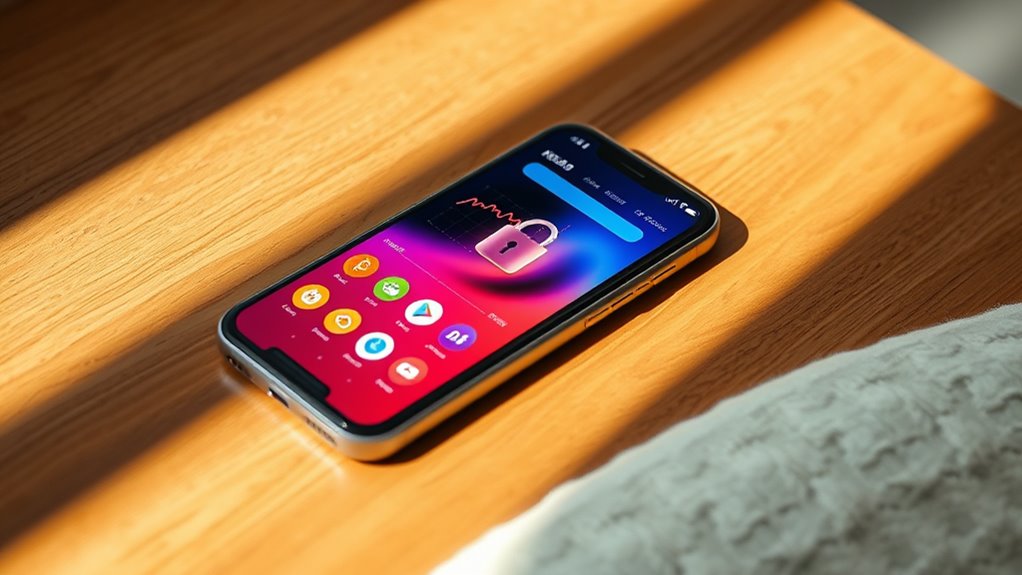
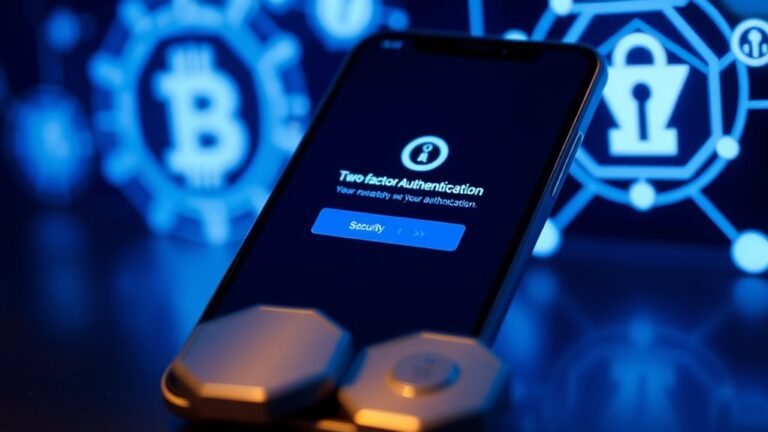
Every crypto wallet app worth its digital salt comes packed with features designed to protect your assets and simplify transactions. Security isn’t optional in the crypto world—it’s essential. Multi-factor authentication forces users to verify their identity multiple ways, while biometric verification uses your face or fingerprint to keep the bad guys out. End-to-end encryption protects your data, and anti-phishing tools help you avoid those annoying scammers who want your coins. Additionally, a wallet’s strong track record in security can provide peace of mind to users.
The interface makes or breaks these apps. Nobody wants to navigate a digital maze just to send some Bitcoin. A good crypto wallet offers intuitive design with multi-chain support. It logs you out automatically after you’ve been scrolling TikTok too long. QR code scanners eliminate the nightmare of typing those long wallet addresses. And push notifications? They keep you informed when your transactions complete or when prices tank. Again.
Transaction management features are the backbone of any decent wallet. Real-time monitoring catches suspicious activity fast. Transaction history lets you obsess over your past decisions. Peer-to-peer transfers cut out the middleman, while cross-chain capabilities let you move between blockchains without headaches. Batch transactions save time and fees when you’re moving multiple assets.
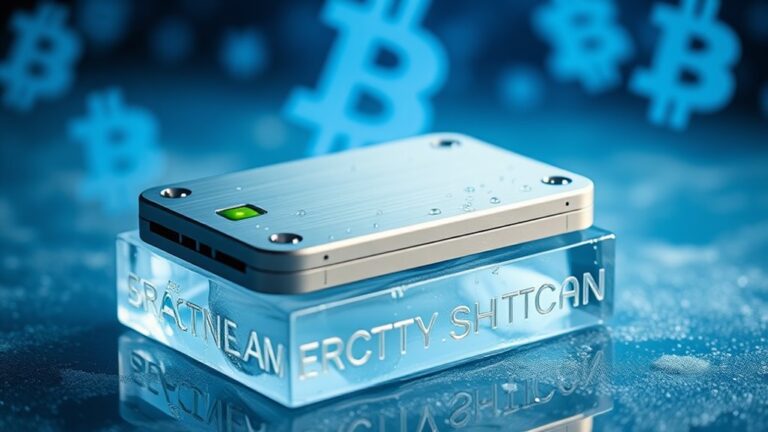
These wallets aren’t one-trick ponies. They support multiple cryptocurrencies, including those NFTs everyone’s talking about. Fiat-to-crypto conversion means you can turn your dollars into digital assets without leaving the app. Real-time pricing data shows exactly how much your portfolio’s worth—for better or worse. Cold storage capability keeps your private keys offline and away from potential online threats. An address book feature lets you save and label frequently used wallet addresses to prevent transaction errors when sending crypto.
Speaking of portfolios, thorough dashboards give you the big picture at a glance. Risk management tools help prevent financial disaster. Market news keeps you informed, while performance indicators show just how badly you’re doing compared to everyone else. Customizable alerts ping you when it’s time to panic about price movements.
The tech behind these apps is complex. They’re built on blockchain using various programming languages and designed to work across different devices. Payment gateways and address management round out the package. No frills, just function.
Frequently Asked Questions
How Secure Are Crypto Wallet Apps Against Hacking Attempts?
Crypto wallet apps? Security varies wildly. High-quality wallets implement robust measures: 2FA, code obfuscation, RASP, secure protocols.
Still vulnerable though. Malware, social engineering, and MiTM attacks remain persistent threats. Users on jailbroken devices or public Wi-Fi? Asking for trouble.
Human error remains the biggest security hole. Cold wallets offer better protection than hot wallets. No wallet is 100% hack-proof.
The crypto world’s just like that – risky business.
Can I Use the Same Wallet for Different Blockchains?
Yes, you can use the same wallet for different blockchains. Multi-chain wallets are increasingly common. They support various cryptocurrencies across multiple networks through integrated blockchain bridges and wrapped tokens.
Users get a unified interface for managing diverse assets. Pretty convenient, honestly.
Security risks exist, though. Cross-chain operations face technical challenges and regulatory hurdles. The technology’s still developing. Some wallets handle this better than others.
Interoperability protocols like Polkadot and Cosmos are making it easier.
What Happens if I Lose My Recovery Phrase?
Losing a recovery phrase means permanent loss of access to a crypto wallet and all its funds.
No joke. There’s no “forgot password” button here. Crypto wallets don’t have customer service to bail you out. Once it’s gone, it’s gone forever. Period.
The psychological impact? Devastating. Financial impact? Could be catastrophic. Some users have lost millions.
Best part? This happens to people every single day. Crypto’s brutal like that.
Are Hardware Wallets Better Than Software Wallets?
Hardware wallets trump software in security. Period. They store private keys offline, keeping them safe from hackers lurking online.
Software wallets? Always connected to the internet—convenient but risky.
The tradeoff is clear: security versus convenience. Hardware costs money (sometimes $100+) while software’s often free.
Software supports more assets and works across devices.
For serious investors with significant holdings? Hardware’s the way.
Casual traders? Software might do the trick.
How Do Wallet Transaction Fees Compare Between Different Providers?
Wallet transaction fees vary wildly between providers. Some charge flat fees, others take percentages.
Network congestion? Fees skyrocket. Bitcoin and Ethereum wallets typically cost more during busy periods.
Coinremitter boasts “no hidden charges” while others sneak them in. Free deposits are common, but withdrawals will cost you.
Some cryptocurrencies like Nano offer feeless transactions entirely. Ripple and Bitcoin Cash? Consistently low fees.
Hardware wallets often charge more than software counterparts. Worth checking comparison tools before committing.
A well-designed digital asset wallet should prioritize security, user experience, and multi-currency support to meet modern investors’ needs.
As crypto monetary systems continue to evolve, choosing a wallet with the right features becomes crucial for managing digital assets securely.
As crypto monetary systems continue to evolve, having a secure and feature-rich wallet app becomes increasingly important for managing digital assets.