Blockchain Timestamping: Securing Digital Records
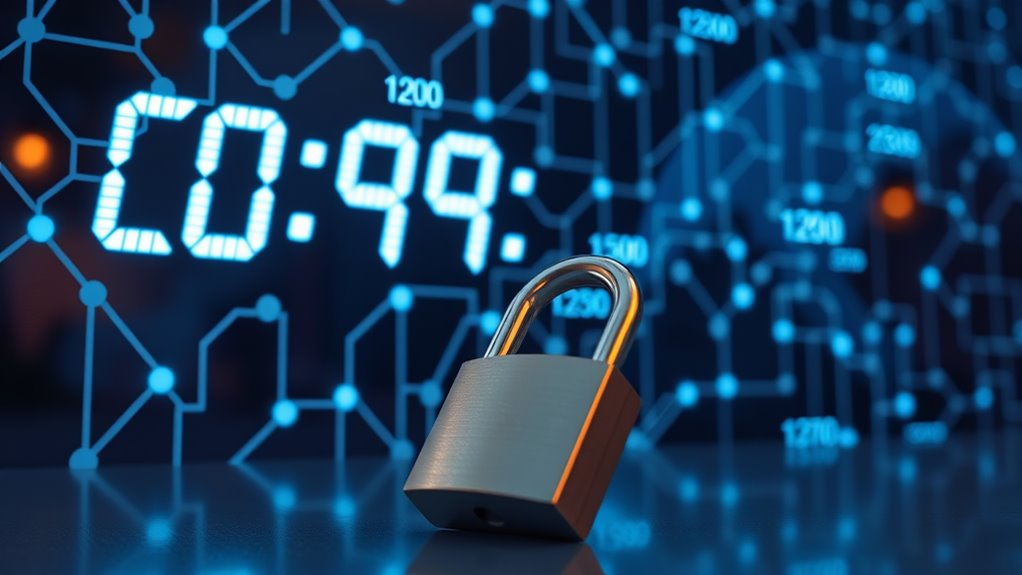
Blockchain timestamping creates permanent, tamper-proof records of when digital data is added to the chain. It’s not just for crypto—it protects ownership of everything from music to art without legal hassles. The system uses decentralized computers and Unix time for verification, making manipulation nearly impossible. Each record gets cryptographically validated, creating audit trails nobody can mess with. Platforms vary in features and compatibility with different blockchains. The deeper you go, the more this digital notary service reveals its power.

While most people fixate on cryptocurrency prices, blockchain’s unsung hero quietly works behind the scenes: timestamping. It’s not glamorous. Not sexy. But without it, the whole system falls apart.
Blockchain timestamping records when data gets added to the chain, creating a permanent, tamper-proof record that nobody can mess with. Not even you. This process ensures that each transaction is protected by digital signatures, which authenticate the transactions and verify the legitimacy of the sender.
Permanent. Tamper-proof. Immutable. Once data hits the blockchain, not even you can rewrite history.
The concept is simple enough. Each block gets a timestamp showing when it joined the chain, maintaining chronological order of all transactions. Try altering a record after it’s been timestamped? Good luck with that. The beauty lies in decentralization – these timestamps exist across multiple computers, not just sitting on some tech company’s server waiting to be hacked or “accidentally” deleted.
For cryptocurrencies, timestamps aren’t just decoration. They’re essential. They verify when transactions happen, preventing that annoying little problem called double-spending. Can’t spend the same Bitcoin twice if the system knows exactly when you spent it the first time.
Miners rely on timestamps too, adjusting difficulty based on how long it takes to create new blocks. The system uses Unix time – not perfect, but secure enough when you have thousands of computers verifying it.
Beyond crypto, content creators should be paying attention. Got digital work worth protecting? Blockchain timestamps establish proof of ownership without expensive lawyers or complicated copyright registrations. Your music, art, writing – all can be cryptographically proven as yours from a specific moment in time. Period.
And once it’s stamped, it’s there forever, distributed across the network. The Median Pass Time rule ensures timestamps exceed the median of the previous 11 blocks, preventing manipulation. The cryptographic validation of each transaction ensures that all records remain secure and cannot be compromised. The technology keeps evolving. Smart contracts now use timestamps to trigger automated actions. Different blockchains can talk to each other.
Even stuffy regulators are coming around, recognizing blockchain’s ability to create audit trails that can’t be tampered with.
Choosing a timestamping platform isn’t complicated. Consider what you need: ease of use, which blockchain, API integration. Many platforms work with Ethereum now. Simple. Effective. The future of digital proof is here, without the fanfare.
Frequently Asked Questions
How Does Blockchain Timestamping Compare to Traditional Notarization Methods?
Blockchain timestamping trumps traditional notarization in several ways.
It’s decentralized, no middlemen needed. Records are immutable—once they’re in, they’re in. Forever.
Traditional notaries? They’re expensive, slow, and require physical presence.
Blockchain offers real-time verification and transparency while traditional methods rely on human trust and paper trails.
But it’s not all sunshine. Blockchain faces regulatory hurdles and integration challenges that notaries, with their established legal standing, don’t worry about.
Welcome to the future, folks.
What Industries Benefit Most From Blockchain Timestamping?
Industries reaping the most benefits from blockchain timestamping? Financial services, hands down.
Banks love immutable transaction records—no more “he said, she said” disputes.
Supply chain follows closely; companies track products from factory to doorstep without fakes slipping through.
Creative industries win big too—artists can prove ownership without expensive lawyers.
Healthcare’s getting onboard for secure medical records.
Governments? Slowly catching up, using it for public records.
Everyone wants a transparent, tamper-proof system. Who wouldn’t?
Can Timestamped Records Be Removed From the Blockchain?
No, records can’t be removed from the blockchain. That’s the whole point.
Once data gets timestamped and added to the chain, it’s permanent. Period. The immutable ledger design makes deletion impossible—literally by design.
That’s what makes blockchain useful for legal evidence, intellectual property claims, and financial audits. Some might call it a digital tattoo—think before you ink!
Modifications? Forget about it. What’s done is done on the blockchain.
How Much Does Blockchain Timestamping Typically Cost?
Blockchain timestamping costs vary wildly. Bitcoin network? Could run $1-20 per transaction. Ethereum? Similar range.
But there are cheaper alternatives. OpenTimestamps protocol dramatically cuts costs by batching multiple timestamps together. Smart move. Some public calendar servers even offer free services.
Layer 2 solutions like Optimism slash fees considerably. Network congestion matters too—busy days, higher fees.
For businesses, it’s about tradeoffs. Security versus cost. Simple as that.
Are Blockchain Timestamps Legally Recognized in Court Proceedings?
Blockchain timestamps are increasingly recognized in courts. Several U.S. states—Vermont, Arizona, Ohio, Delaware—have passed legislation supporting their legal validity.
China’s on board too, particularly in the Hangzhou Internet Court.
They can face hearsay challenges, but often qualify under exceptions like business records. Expert testimony usually helps explain the technical stuff to judges.
The immutability and cryptographic signatures make them compelling evidence. Not universally accepted yet, but the legal trend is moving that way.
Each blockchain digital asset transaction creates an immutable timestamp that serves as permanent proof of when digital records were created or modified.
While blockchain timestamping serves many applications beyond finance, it forms a crucial foundation for securing transactions in blockchain monetary systems.
Digital asset timestamping provides an immutable proof of when documents, contracts, or files were created or modified on the blockchain.
Blockchain timestamping technology, originally developed for blockchain monetary systems, now provides immutable proof of when digital documents were created or modified.