Choosing the Best Ripple Wallet: A Beginner’s Guide
Beginners face tough choices when selecting Ripple wallets. Hardware options like Trezor and Ledger provide superior security but cost more. Software wallets like Atomic offer convenience with decent protection. Custodial services (Binance, EXMO) simplify trading but hold your keys—not ideal. Paper wallets? Super secure until they get wet or burned. The tradeoff is clear: better security means less convenience. Your XRP storage needs should dictate your choice. The details below will help clarify these complex considerations.
How does one navigate the complex world of cryptocurrency storage? For XRP holders, the options are dizzying. Hardware, software, paper, or online wallets – each comes with its own set of trade-offs. No perfect solution exists. Just choices.
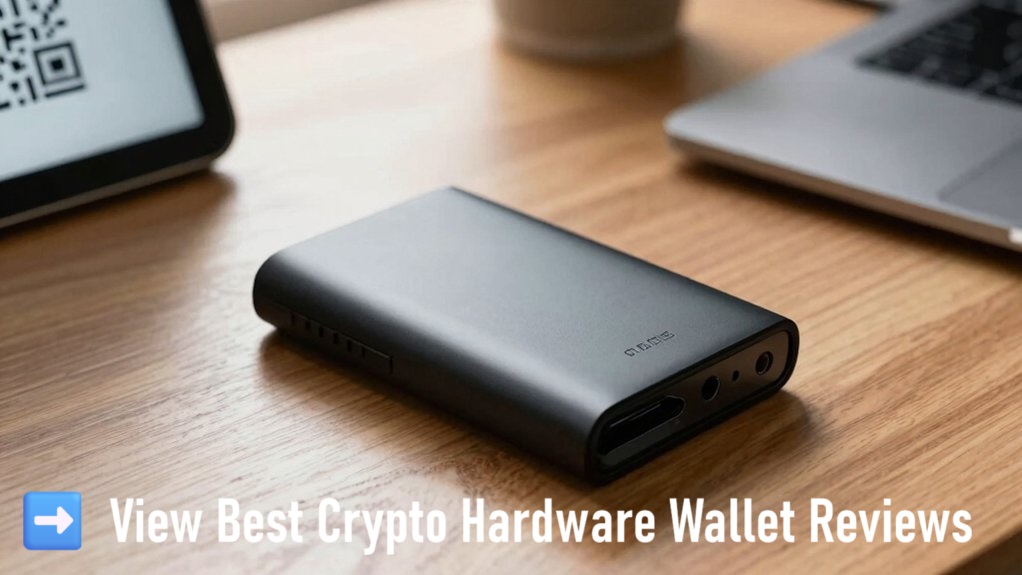
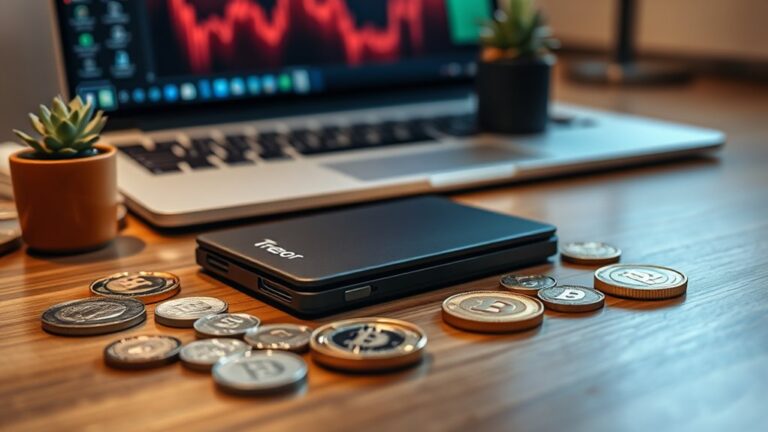
Hardware wallets like Trezor Safe 5 and Ledger Nano S Plus offer superior security through offline storage. They’re less hackable, sure, but they’ll cost you. Not just money, but convenience too. Every transaction requires connecting to a computer. Worth it? Depends how paranoid you are about your digital assets. In a world where security is paramount, these wallets provide peace of mind.
Security comes at a cost. Hardware wallets protect your crypto, but demand your patience with every transaction.
Software wallets strike a balance. Atomic Wallet supports over 1000 cryptocurrencies with a user interface that won’t make your eyes bleed. You control your private keys – a big deal in the crypto world. The wallet stays on your device. Your keys, your coins. Revolutionary concept, right?
Online custodial options like Binance, EXMO, and Gate.io make trading simple. Convenience, though, comes at a price. Someone else holds your keys. Remember that old crypto saying: not your keys, not your coins. Truth.
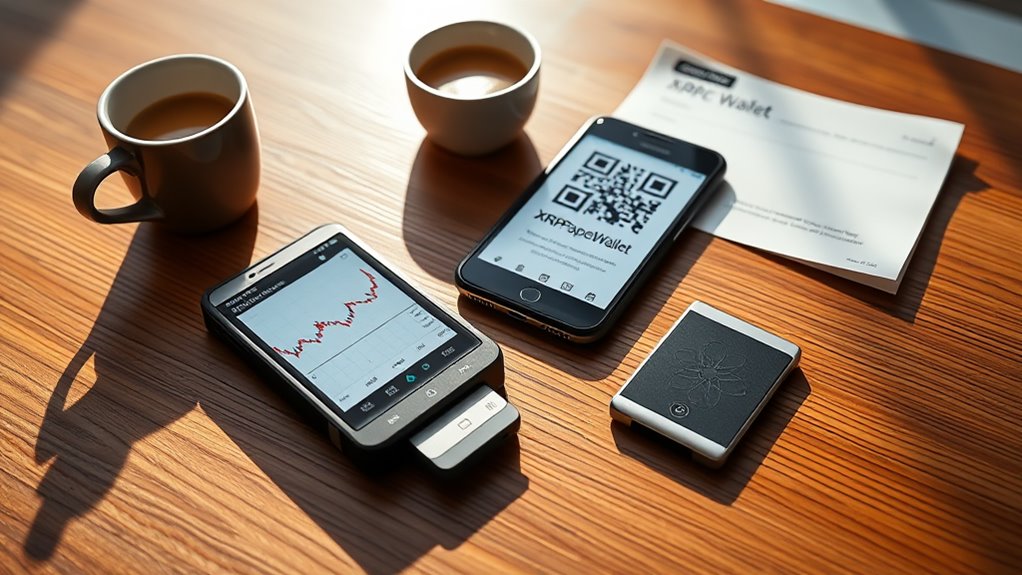
Paper wallets exist too. XRPPaperWallet generates offline storage options for the ultra-security conscious. Great for long-term hodling, terrible for actually using your XRP. Plus, spill coffee on your paper wallet and… well, good luck with that.
The XRP Ledger itself deserves attention. Fast transactions, low fees, no mining. Unlike Bitcoin’s energy-guzzling approach, XRP was pre-mined. All coins exist already. No more coming.
Choosing the right wallet means weighing security against convenience. These wallets typically range in price from hot wallets being free up to $169 for premium cold storage options like Trezor Safe 5. Hardware wallets for the paranoid. Software wallets for the practical. Custodial solutions for active traders. Paper wallets for the truly old-school.
The crypto landscape changes constantly. What doesn’t change: the need to protect your assets. The wallet you choose forms your first line of defense. Look for wallets with active development teams that regularly update security features and patch vulnerabilities. Choose wisely. Or don’t. It’s your money on the line.
Frequently Asked Questions
Can I Store Ripple on a Paper Wallet?
Yes, Ripple can be stored on paper wallets.
These offline storage methods generate public and private key pairs printed on physical paper. They’re highly secure against online threats—hackers can’t touch what isn’t online. No hardware costs either. Perfect for long-term hodlers.
But they’re not without drawbacks. Paper gets damaged. Water, fire, pets—all enemies of your crypto fortune.
And forget convenience if you’re trading regularly. They’re secure but finicky.
How Often Should I Update My Ripple Wallet Software?
Wallet updates should happen immediately when security patches drop. No exceptions. Ripple users can’t afford to mess around with outdated software—crypto doesn’t forgive carelessness.
Most wallets notify users about updates. Some do it automatically. Convenience, right? But here’s the deal: manual or automatic, updates are non-negotiable. They fix vulnerabilities, squash bugs, and improve compatibility.
Check for updates weekly. More if you’re active. Hackers don’t take days off, neither should security practices.
What Happens if the Wallet Company Goes Bankrupt?
When a wallet company goes bankrupt, customer outcomes depend on wallet type.
Custodial wallet? Kiss those assets goodbye—they’re part of the bankruptcy proceedings.
Non-custodial wallet? No problem. The company’s failure doesn’t affect access as long as users have their private keys or seed phrases.
FTX and QuadrigaCX disasters proved this the hard way. Recovery processes are notoriously slow, and customers often become unsecured creditors—last in line for payouts.
Brutal but true.
Can I Recover XRP if I Send It to the Wrong Address?
Recovering XRP sent to the wrong address? Nearly impossible.
Once confirmed on the Ripple network, transactions are permanent. There’s no “undo” button in crypto. No central authority exists to reverse mistakes.
The cold reality: those funds are likely gone forever. If sent to an exchange without proper destination tags, there’s a slim chance of recovery by contacting support with the transaction hash.
But generally? That money just vanished into the digital void. Tough break.
Are There Tax Implications When Moving XRP Between Wallets?
Moving XRP between personal wallets? No tax hit. Simple as that.
Transferring between wallets you own doesn’t count as a disposal—ownership stays with you, so no taxable event occurs. The cost basis remains unchanged too.
Record-keeping matters though. Different countries follow similar principles here.
US, UK, Australia—all consider wallet-to-wallet transfers non-taxable.
Transfer fees? That’s murkier territory. Most tax authorities haven’t issued clear guidance.
Some crypto users add them to cost basis. Others don’t.
A digital asset wallet serves as your secure storage solution for Ripple (XRP) and other cryptocurrencies you plan to hold.
This comprehensive monetary systems guide will help newcomers understand how to securely store their XRP cryptocurrency using the right wallet solution.
Finding the right storage solution is crucial when XRP becomes your best digital asset investment in the cryptocurrency portfolio.
Ripple’s innovative blockchain technology aims to revolutionize cross-border payments and create one of the world’s best monetary systems for financial institutions.